Wine & Spirits
0/5
NV
Barolo, Piemonte
Italy
Fortified
Nebbiolo
16%
Vegetarian
-
Wine & Spirits: 0/5, The Wine Advocate: 0/5
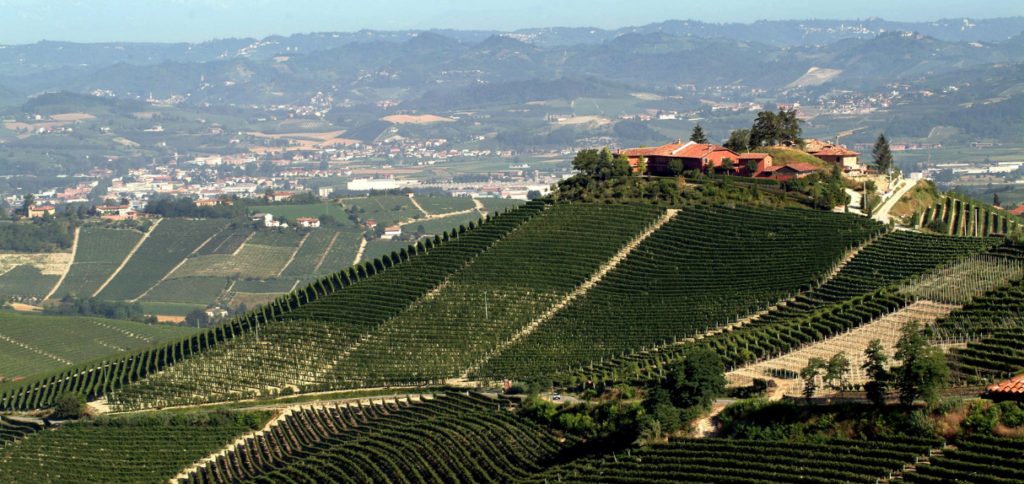
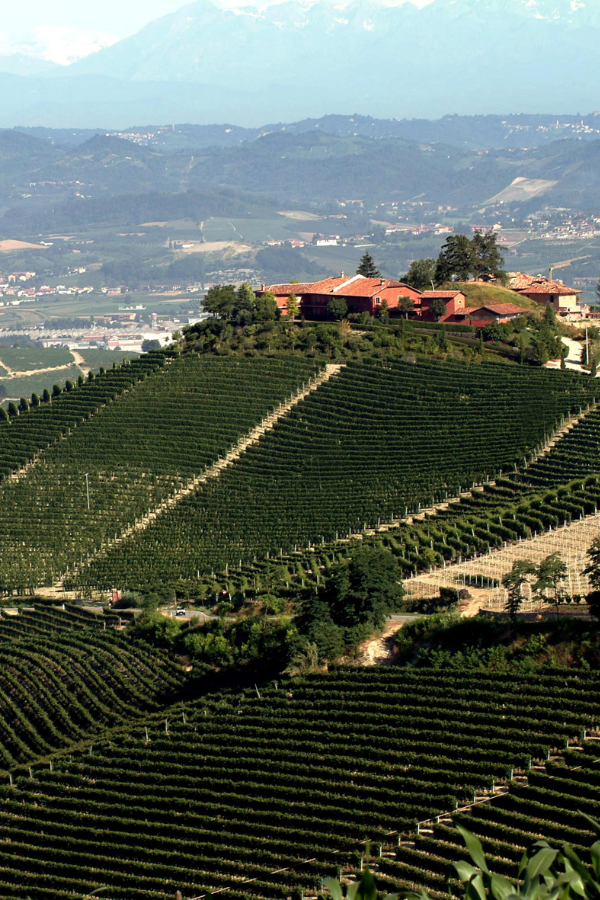
This historic family-owned estate is named after its founder Cesare Pio, who established the business in 1881. The winery is based in Alba, in the heart of Piemonte and is now run by Federica Boffa and Cesare Benvenuto, the fifth generation of the family. Pio Cesare developed Barolo’s reputation overseas in the 1950s by being one of the first producers to export the wine to the UK. The founder’s great grandson Pio Boffa was deeply convinced of the importance of cultivating and growing owned land to produce high quality wines and played a key role in the acquisition of vineyards in the same locations where Cesare Pio used to buy his grapes from. Today Pio Cesare owns 70 hectares in the hills of Barolo and Barbaresco and makes wines in a style that manages to balance the best of the old with the best of the new. The estate includes most of the municipalities in the Barolo and Barbaresco areas.
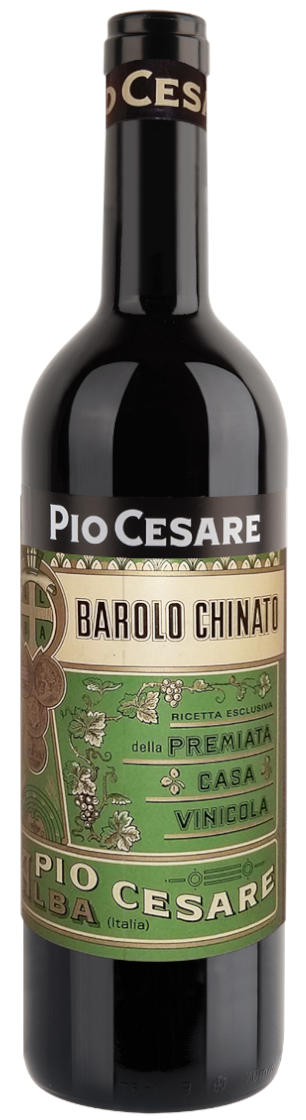
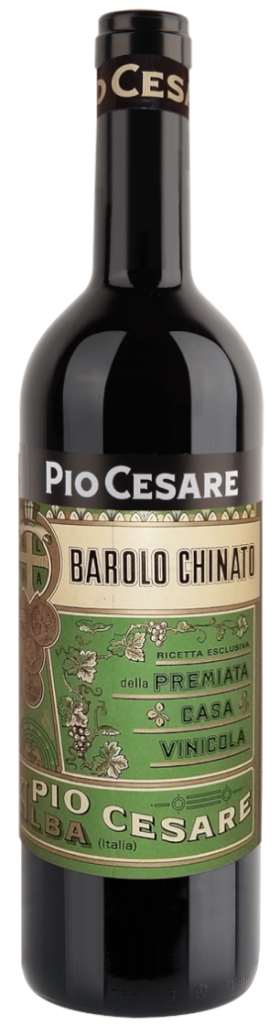
Read MorePio Cesare Barolo Chinato NV is based on Pio Cesare Barolo, made from Nebbiolo grown across selected Barolo vineyards. The wine reflects the traditional Piedmontese practice of using Barolo as the foundation for an aromatised wine.
Pio Cesare Barolo Chinato is produced by blending Pio Cesare Barolo with a mixture of different herbs, sugar and alcohol. Quinine, known in Italian as ?china?, is the key botanical and gives the wine its traditional identity.
Pio Cesare Barolo Chinato NV is aromatic and complex, with Nebbiolo structure shaped by herbs, spice, sweetness and quinine-led depth. The palate is rich and warming, combining Barolo?s savoury base with botanical complexity, gentle sweetness and a distinctive digestive character. Medium to full-bodied, it has a smooth, spiced texture and a long, persistent finish. It is best served at the end of a meal.
Serve after dinner with dark chocolate, chocolate tart, hazelnut cake, amaretti, blue cheese, dried fruit, espresso desserts or as a traditional Piedmontese digestif.