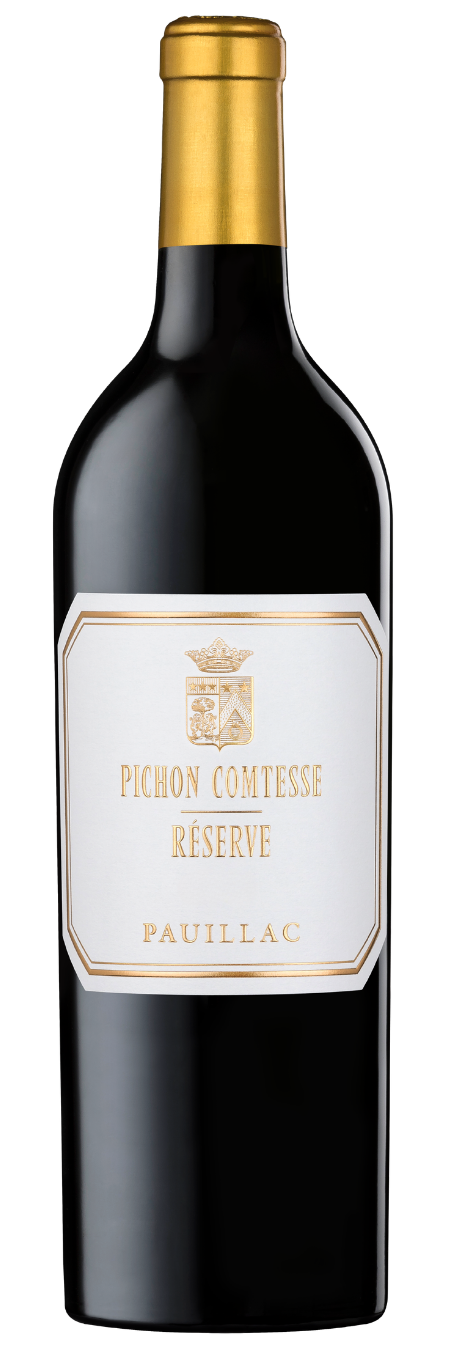
Reserve de Pichon Comtesse featured image
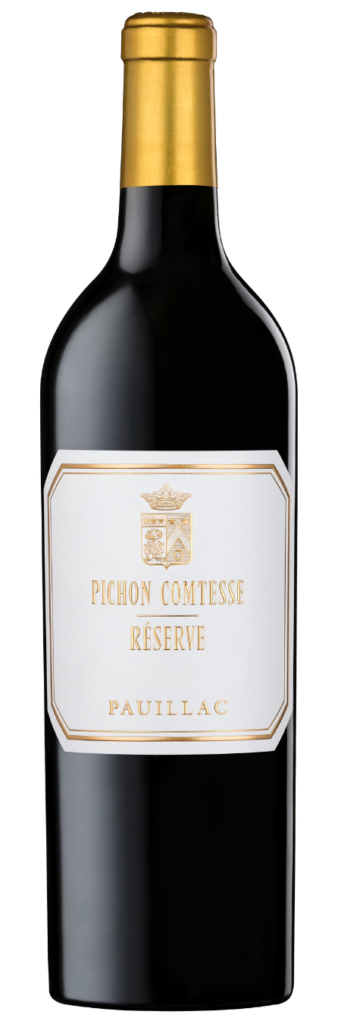
2022
Pauillac, Bordeaux
France
Still
Cabernet Sauvignon, Merlot, Petit Verdot, Cabernet Franc
13.5%
Vegetarian
Biodynamic Viticulture, Organic Viticulture
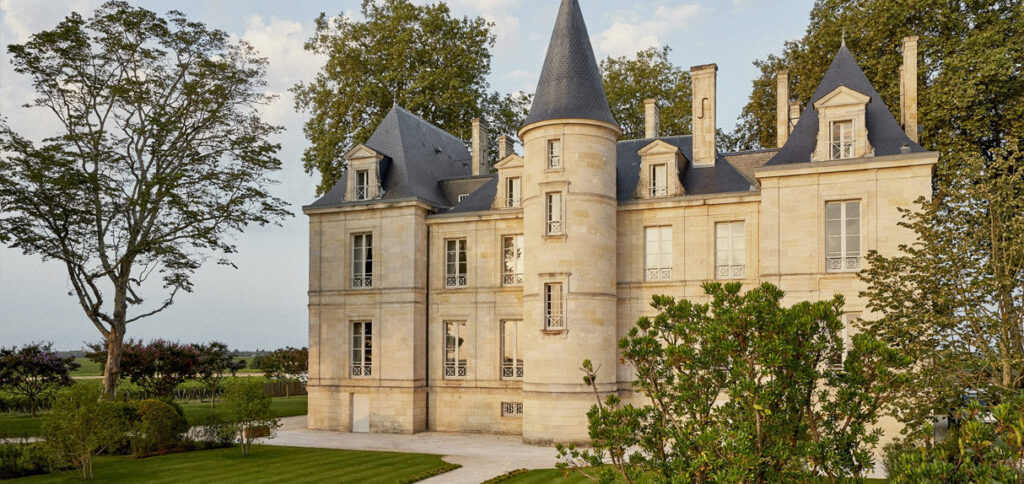
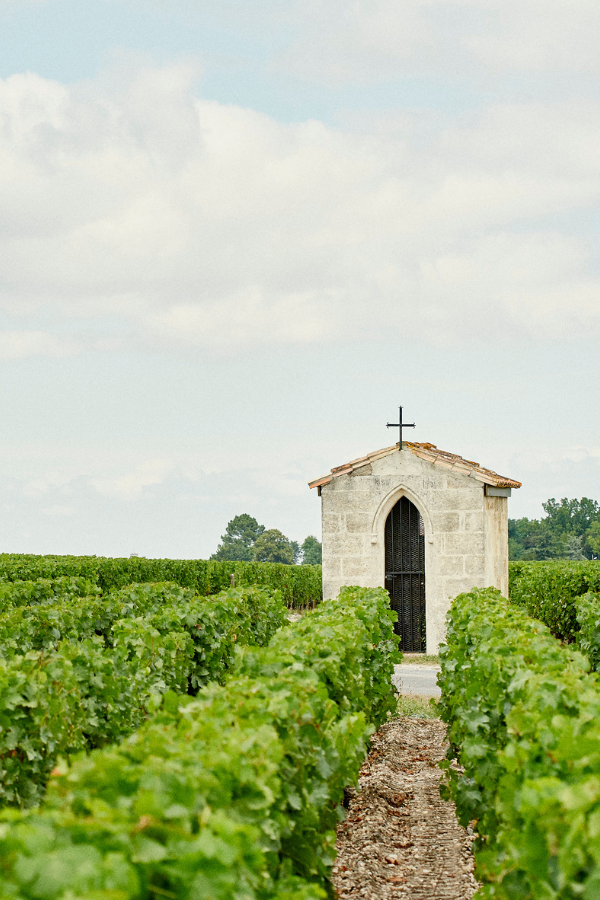
Château Pichon Longueville Comtesse de Lalande is a historic Pauillac estate on the Bordeaux Left Bank, classified as a Deuxième Cru Classé in the 1855 Classification. Known for refined Bordeaux red wine from Cabernet Sauvignon, Merlot, Cabernet Franc and Petit Verdot, Pichon Comtesse is one of the most recognised names in Pauillac. Its vineyards lie close to the Gironde Estuary, on gravel soils over clay and sand, producing wines noted for precision, structure, depth and a distinctive sense of elegance.
Read MoreR?serve de Pichon Comtesse 2022 is produced from the same Pauillac estate as Ch?teau Pichon Comtesse, covering 102 hectares, with 80 hectares in production. The vineyard is planted on gravel, clay and sand soils at a density of 9,000 vines per hectare, with an average vine age of 28 years. In 2022, the estate was in its second year of conversion to full organic farming, with 65% under biodynamic practices. The Gironde estuary helps regulate the vineyard?s climate and protect the vines.
The wine was vinified by individual vineyard plots, with gravity vatting into thermoregulated conical stainless steel vats. Ageing took place for 12 months in oak barrels, with 50% new oak using a long, medium toast. Traditional racking “à l’esquive” was used, followed by egg white fining. This vinification and ageing regime preserves the freshness, charm and precision of Reserve de Pichon Comtesse while supporting polished tannins and Pauillac structure.
The 2022 season opened with a dry, mild winter and above-average temperatures in February and March. Budbreak was early, followed by severe frost across several nights, though the vineyard was protected by the Gironde estuary. Warm, dry spring weather enabled excellent flowering in late May. June was wet and unsettled, but the estate avoided severe hail damage. Heat and drought followed from early July, before two mid-August storms helped ripening. Harvest began on 8 September in dry conditions.
The nose is complex and distinctly Pauillac, with mineral notes of cedar and liquorice leading into blackberry, blackcurrant and violet. The palate is juicy and flavoursome, opening with an ethereal texture and notes of strawberry and cherry. Medium to full-bodied, it shows softness, charm and balance, supported by smooth, precise tannins. The finish is long and polished, with powdery texture and lingering dark-fruit and floral detail.
Pair with roast beef, lamb rack, duck confit, grilled mushrooms, charcuterie, beef tartare, hard cheeses, roast vegetables or classic bistro dishes with red wine sauces.