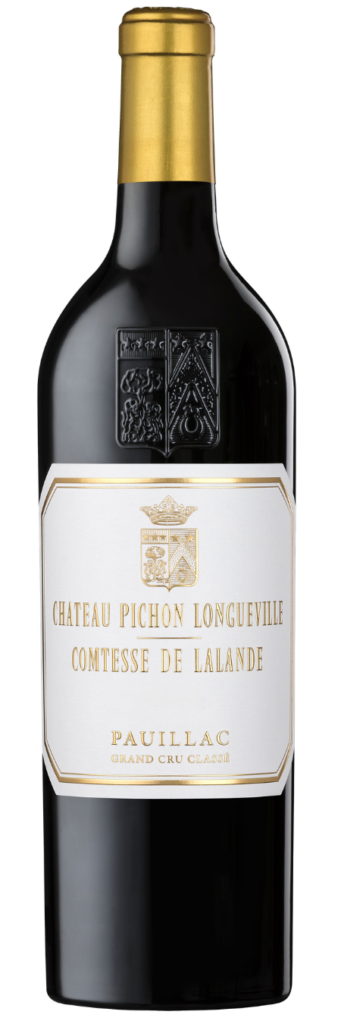
Château Pichon Longueville Comtesse de Lalande 2017
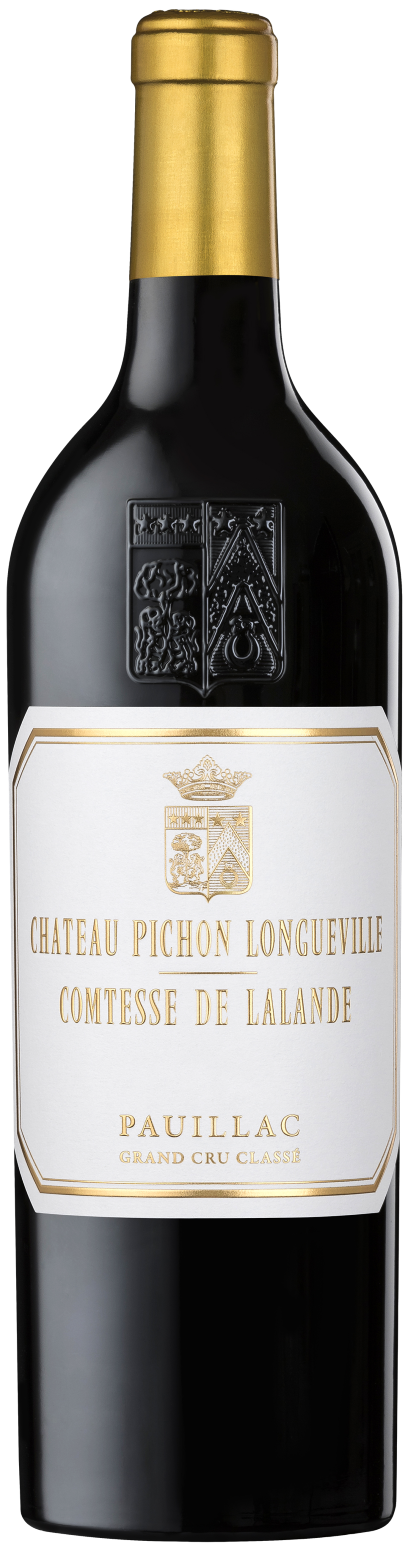

France
Bordeaux
Cabernet Sauvignon, Merlot, Cabernet Franc, Petit Verdot
Biodynamic Viticulture, Organic Viticulture
Still, Red
Château Pichon Longueville Comtesse de Lalande is a historic Pauillac estate on the Bordeaux Left Bank, classified as a Deuxième Cru Classé in the 1855 Classification. Known for refined Bordeaux red wine from Cabernet Sauvignon, Merlot, Cabernet Franc and Petit Verdot, Pichon Comtesse is one of the most recognised names in Pauillac. Its vineyards lie close to the Gironde Estuary, on gravel soils over clay and sand, producing wines noted for precision, structure, depth and a distinctive sense of elegance.
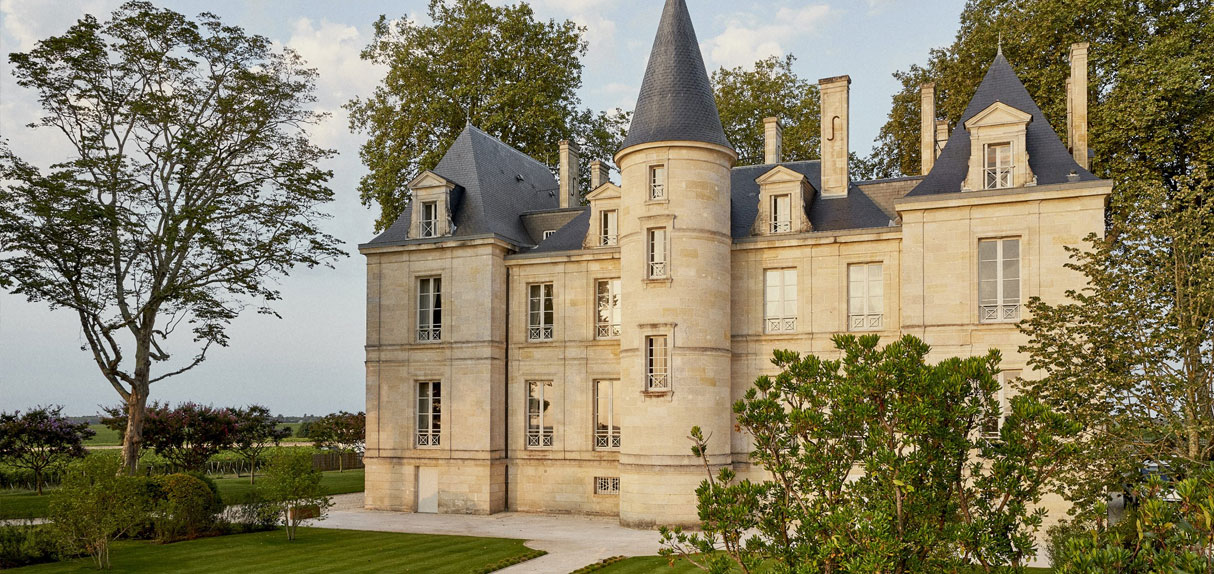
The estate was founded in 1689 by Pierre de Mazure de Rauzan. Its history became linked to the Pichon Longueville name when his daughter, Thérèse, received the estate as part of her dowry on her marriage to Jacques de Pichon Longueville, the first president of the Parliament of Bordeaux. For more than 160 years, the property remained in the hands of a single family.
In 1850, Baron Joseph de Pichon Longueville divided the estate between his children, creating the two Pichon properties known today. Virginie de Pichon Longueville, Comtesse de Lalande, gave her name to the château and played a decisive role in shaping its identity. Under her ownership, the château, vat room and cellars gave Pichon Comtesse its independent form.
In the 1855 Classification drawn up under Napoleon III, Château Pichon Longueville Comtesse de Lalande was ranked as a Deuxième Cru Classé. This status remains central to its reputation within Pauillac and the wider Bordeaux fine wine market.
The Miailhe family acquired the estate in 1925, and May Eliane de Lencquesaing took over in 1978, building Pichon Comtesse’s international reputation. In 2007, the Louis Roederer family became the estate’s new owner, with Frédéric Rouzaud, seventh generation at Champagne Louis Roederer, becoming only the third family to guide Pichon Comtesse in more than three centuries of history.

Pichon Comtesse is located in Pauillac, in the southern part of the appellation and close to the border with Saint-Julien. The estate lies near the Gironde Estuary, whose moderating influence is central to the vineyard microclimate. Air movement, reduced temperature excess and steady ripening conditions help support freshness, aromatic detail and phenolic maturity.
The official estate vineyard now comprises 102 hectares under vine, divided into more than 100 plots. This level of fragmentation allows detailed vineyard management and precise blending, especially important in a classified growth where consistency and complexity are essential.
The vineyards are planted on poor, low-yielding gravel soils over clay and sand subsoils. These well-draining gravel slopes are particularly suited to Cabernet Sauvignon, while the clay and sand components support the estate’s long-standing use of Merlot.
The vineyard is led by Cabernet Sauvignon, supported by Merlot, Cabernet Franc and Petit Verdot. This varietal balance is important to the Pichon Comtesse style. Cabernet Sauvignon brings structure, longevity and Pauillac character, while Merlot contributes roundness and suppleness. Cabernet Franc adds finesse, and Petit Verdot brings freshness, colour and aromatic complexity.
Since 2009, Pichon Comtesse has undertaken important vineyard restructuring to improve the match between grape varieties, rootstocks and soils. The estate has also developed a more tailored viticultural approach, including soil cultivation, no herbicides, new pruning methods to increase vine lifespan and massal selection to preserve historic plant material.
In 2021, the estate began its conversion to organic farming. This direction reflects a long-term focus on soil health, vine balance and the preservation of vineyard biodiversity, while supporting the precision required for parcel-led winemaking.
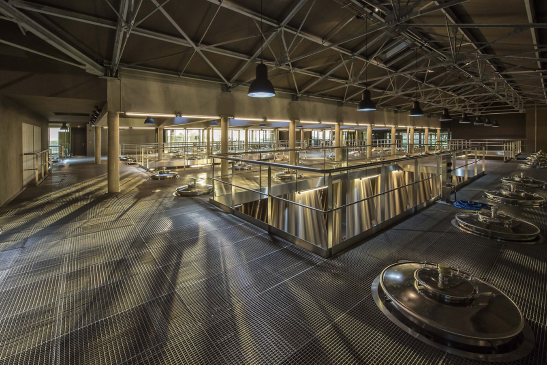
A major technical step came in 2013 with the introduction of a new vat room made of glass, wood and steel. The facility supports parcel-by-parcel vinification, gravity filling of vats and gentle extraction through conical stainless-steel tanks.
This allows the winemaking team to respect the individuality of more than 100 vineyard plots and to build the final blend with greater precision. Under Nicolas Glumineau, General Manager and Winemaker since 2012, Pichon Comtesse has continued to refine its style, focusing on texture, balance and controlled extraction rather than power alone.
Pichon’s Grand Vin is Cabernet Sauvignon-led and aged in French oak barrels, typically with a significant proportion of new oak, giving structure, depth and ageing potential. The style is often described as one of the more elegant and sensuous expressions of Pauillac, combining blackcurrant, dark fruit, graphite, cedar, spice and floral detail with polished tannins and freshness.
Réserve de Pichon Comtesse, created in 1973, is produced from the same terroir as the Grand Vin and acts as an ambassador for the château’s style. It offers earlier accessibility while retaining the estate’s Pauillac identity, structure and refinement.
Pichon Comtesse offers a clear classified-growth ladder within Bordeaux. Réserve supports premium restaurant and independent retail listings, while the Grand Vin brings depth for fine dining, private client sales, en primeur campaigns and collector-led cellars. Its Roederer ownership, Pauillac provenance and refined style give buyers strong recognition and long-term credibility.