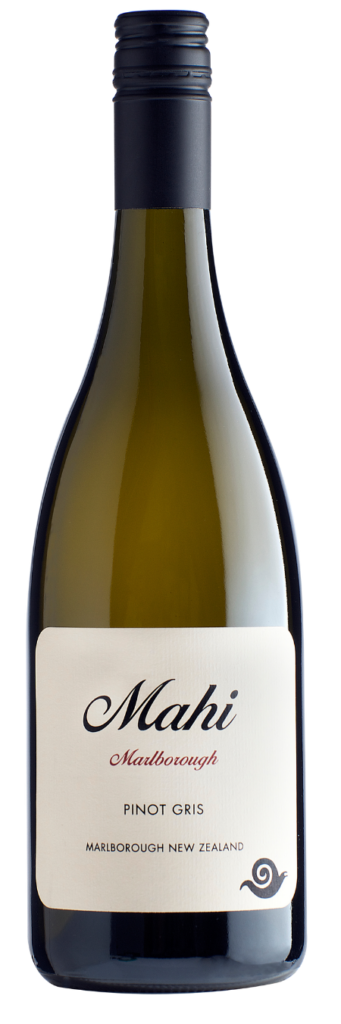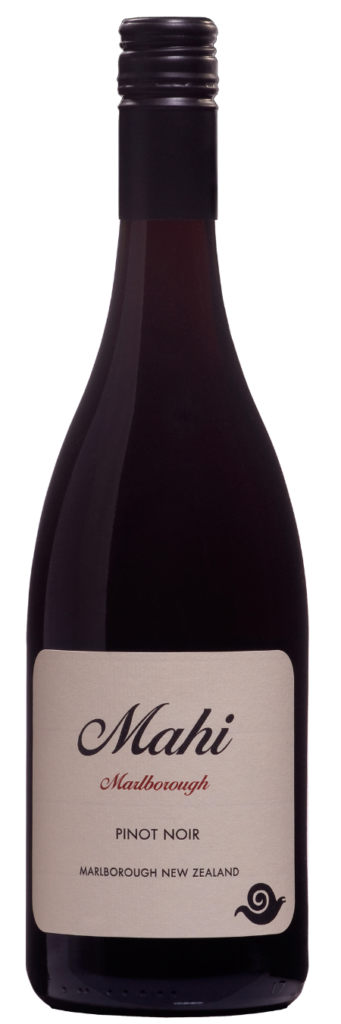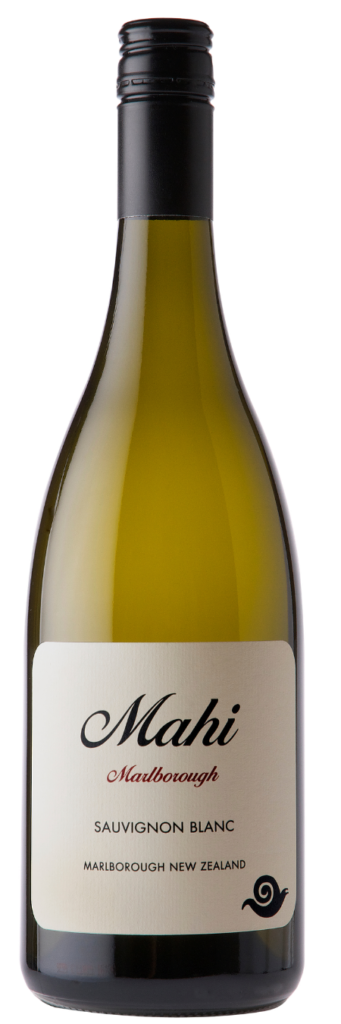
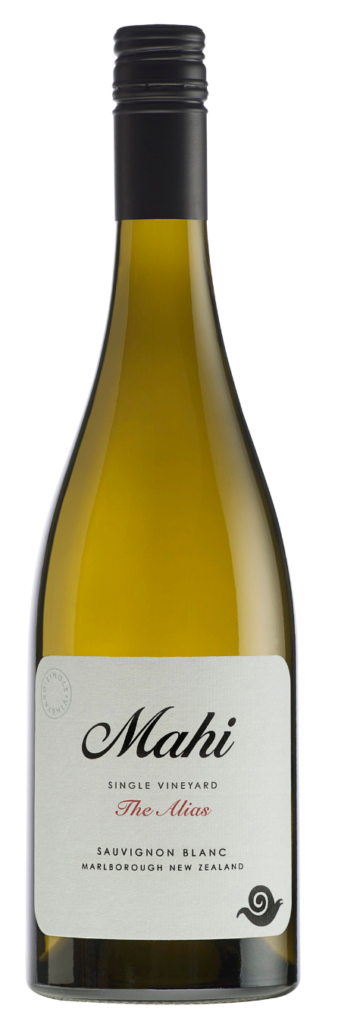
Mahi Alias Sauvignon Blanc 2023
New Zealand
Marlborough
Sauvignon Blanc, Pinot Gris, Pinot Noir, Sémillon, Chardonnay
Sustainable Certification
Still, White, Red
Mahi Wine is a Marlborough producer based in Renwick, New Zealand, founded in 2001 by Brian and Nicola Bicknell. Known for Sauvignon Blanc, Chardonnay, Pinot Noir and single-vineyard Marlborough wines, Mahi was created to highlight the quality and diversity of individual vineyard sites across the region. Its name means “our work, our craft”, reflecting a hands-on, low-intervention approach to winemaking. Mahi offers a distinctive expression of New Zealand Sauvignon Blanc and Marlborough wine, with texture, balance and food compatibility at the centre of the range.
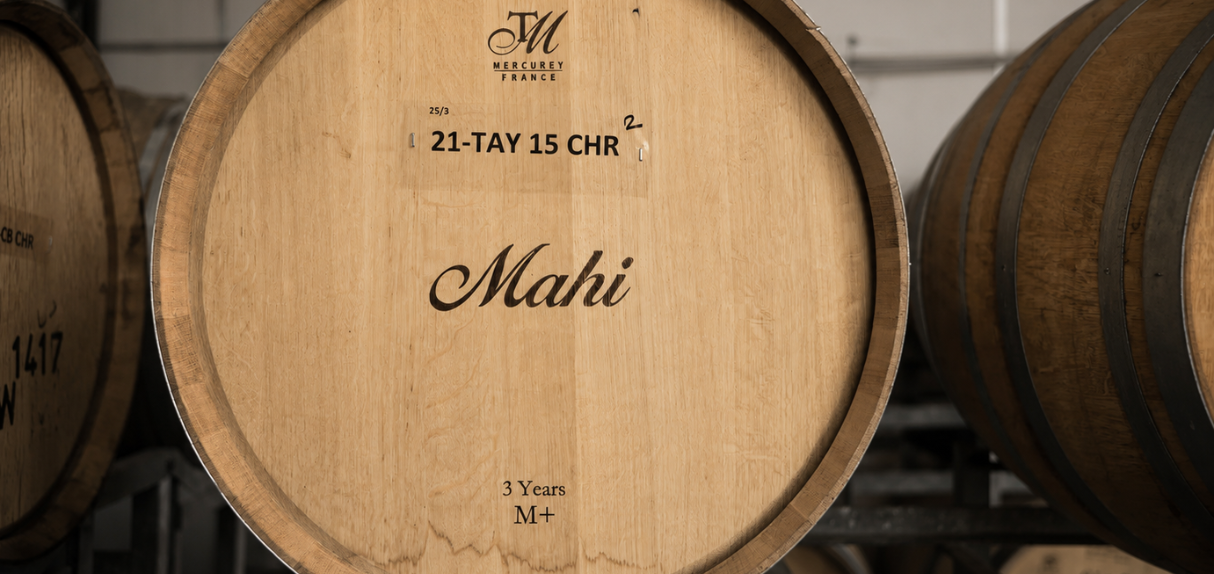
Brian and Nicola Bicknell returned to New Zealand in 1996 with extensive international experience, Brian had made wine across several regions, including Hungary, France and Chile, before settling back in Marlborough in 1996. In 2001 Mahi was born with the objective to not simply to produce a regional Marlborough style, but to show the differences between specific vineyards and sub-regions.
While the majority Marlborough wines had built around producing high volume regional blends, Brian saw that individual vineyards across Marlborough produced clearly different profiles, depending on their location, soils and climate. Mahi was created to preserve those differences, giving each site a clearer voice in the finished wine.
The first Mahi wines came from a small 1.5-hectare parcel at Byrne Vineyard in Conder’s Bend, planted to Sauvignon Blanc and Pinot Noir. Mahi continues to work with this original site, an important link to the producer’s beginning and its ongoing vineyard-led philosophy.
In 2006, Brian and Nicola purchased the historic winery in Renwick that had previously been used for Cellier Le Brun. This gave Mahi a permanent home and full control over the winemaking process. The winery was adapted to suit a more hands-off style, including gravity movement, careful handling and spaces suitable for barrel ageing.
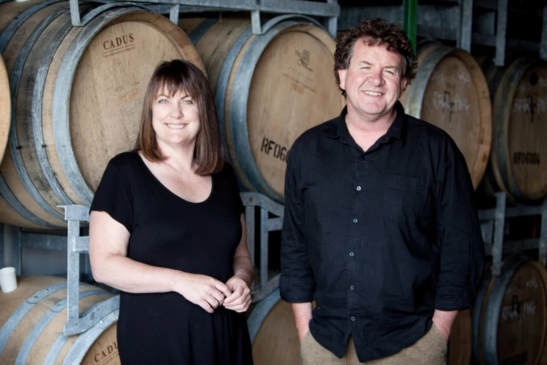
Mahi is situated in Marlborough, on the north-eastern corner of New Zealand’s South Island. The region is internationally recognised for Sauvignon Blanc, but Mahi’s work shows that Marlborough can offer far more than a single aromatic style.
The producer works with over eight different vineyard sites across the region, selecting parcels that suit the right grape variety, soil and exposure. These sites include areas within the Wairau Valley, Awatere Valley and Southern Valleys, each bringing different levels of ripeness, acidity, texture and aromatic profile.
Mahi produces both single-vineyard wines and a regional Marlborough range. The single-vineyard wines are designed to show individual site character, while the regional wines bring together selected parcels to create balanced, complete expressions of Marlborough.
The Twin Valleys vineyard has been important for Chardonnay and Pinot Noir, showing the potential of Marlborough’s cooler western sites and longer ripening conditions. The Francis Vineyard, closer to the sea, has contributed a richer, more tropical expression of Sauvignon Blanc. These contrasts support Mahi’s central idea: Marlborough is not one uniform style, but a collection of distinct places.
Mahi’s approach depends on close, long-term relationships with growers. Rather than sourcing widely without connection, the team works with vineyard owners who understand their land and farm with attention to quality. A number of the vineyard sites are farmed biodynamically and are certified organic, supporting the producer’s low-intervention philosophy.
The focus is on choosing the right sites, planted with the right varieties, and working with people who share the same respect for vineyard expression. This gives Mahi both flexibility and integrity across its Marlborough range.
In the cellar, Mahi works in a restrained and low-intervention way to allow vineyard character to come through. For the single-vineyard wines, fruit is hand-picked, sorted, whole-cluster pressed and fermented using indigenous yeasts. Older French oak is used where appropriate, bringing savoury texture without masking the fruit.
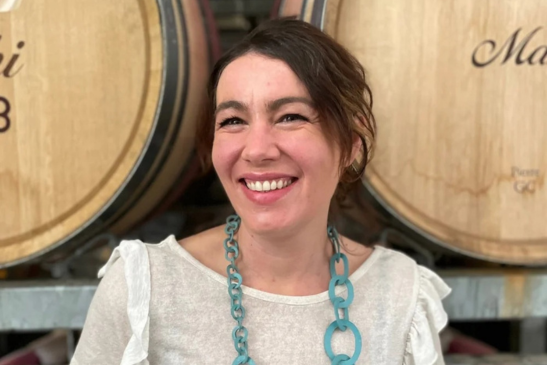
Alongside Brian, winemaker Phoebe Cathcart brings practical precision and continuity to this hands-off approach. Originally from Ireland, Phoebe first joined Mahi for the 2009 and 2010 vintages, then gained experience in Nelson, Burgundy and Beaujolais, including a harvest at Château de Puligny-Montrachet. She returned as assistant winemaker in 2017 and now overseeing vintage logistics, tank decisions, analysis and records with the calm, collaborative focus that supports Mahi’s precise, site-led style.
The primary emphasis is texture rather than simple fruit intensity. Sauvignon Blanc is handled to show mineral detail, freshness and palate weight. Chardonnay and Pinot Noir are made with a focus on balance, savoury complexity and food compatibility. The aim is to produce wines that feel complete on the palate, with structure, freshness and a clear link to site.
Mahi produces still white, rosé and red wines from Marlborough, led by Sauvignon Blanc, Chardonnay and Pinot Noir, alongside Pinot Gris and selected blends. The wines are typically textural, balanced and food-friendly, with an emphasis on purity and vineyard expression.
The Sauvignon Blancs move beyond simple aromatic intensity, showing citrus, tropical fruit, mineral detail, natural yeast complexity and mid-palate texture. Chardonnay brings savoury depth and freshness, while Pinot Noir offers red fruit, gentle structure and a more restrained expression of Marlborough.
Mahi offers a strong alternative to standard Marlborough Sauvignon Blanc. The Sauvignon Blanc works well for premium by-the-glass listings, while single-vineyard Sauvignon Blanc, Chardonnay and Pinot Noir add depth for restaurants, independent retail and food-led lists. Its site-focused range helps fill New Zealand gaps with texture, authenticity and clear regional identity.