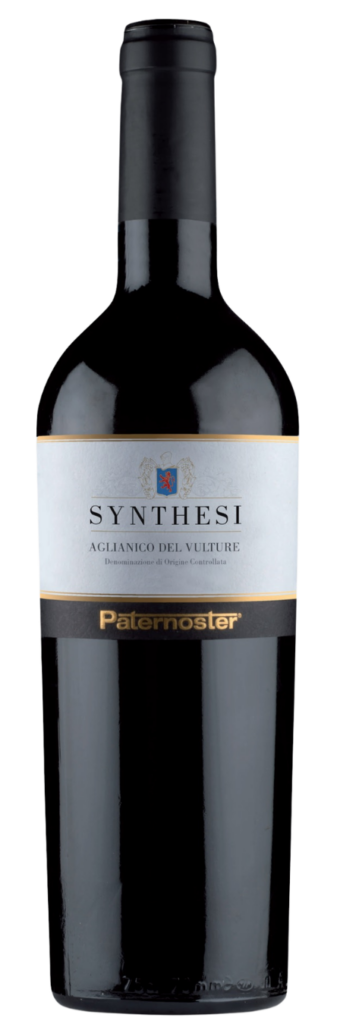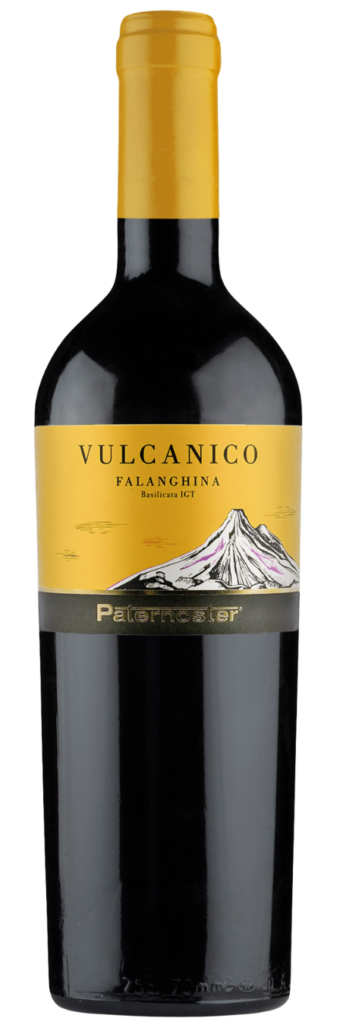
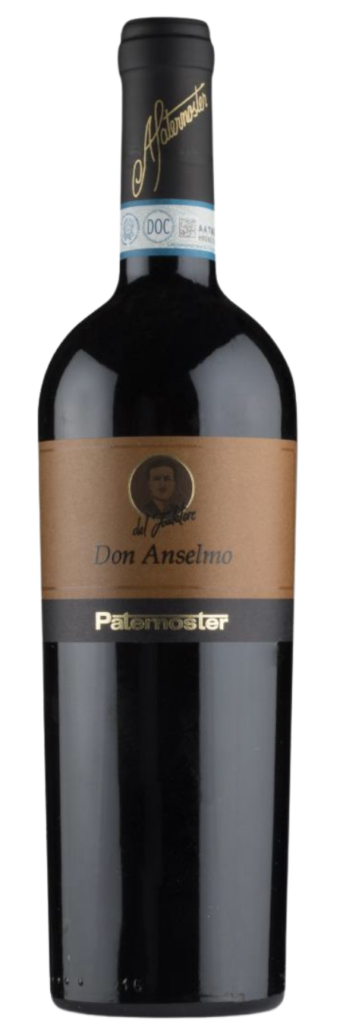
Paternoster Don Anselmo Aglianico de Vulture 2017

Italy
Basilicata
Aglianico del Vulture, Falanghina
Still, Red, White
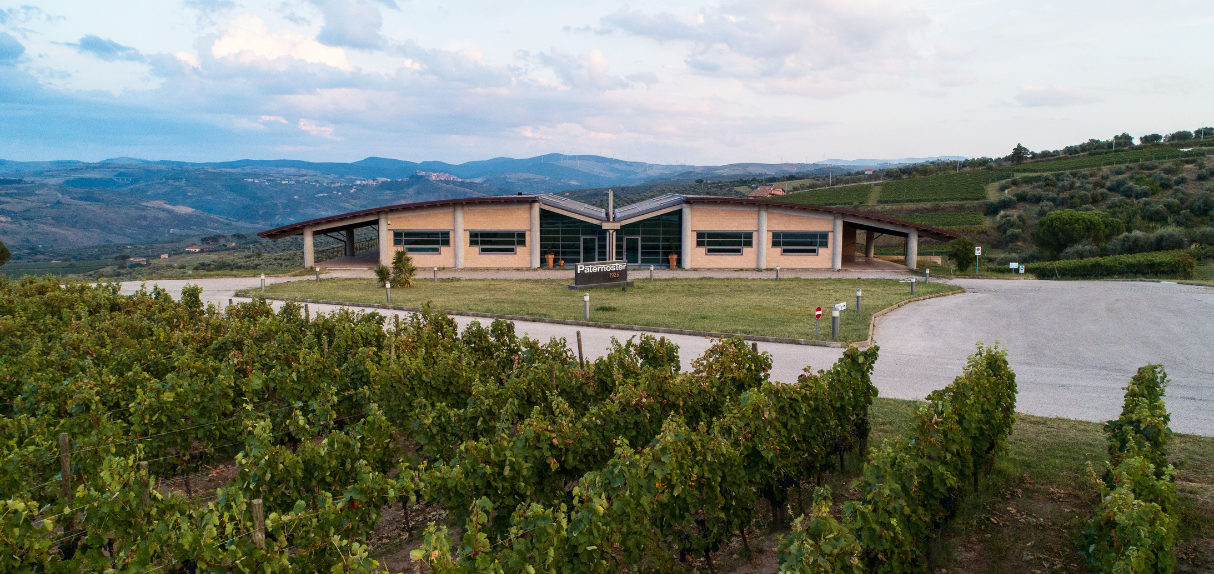
Paternoster is a historic Basilicata wine producer based in Barile, on the slopes of Mount Vulture in Southern Italy. Founded in 1925, the estate is closely associated with Aglianico del Vulture, one of Italy’s most important native red grape varieties, and also produces white wine from Falanghina. The estate offers a focused and distinctive route into volcanic Southern Italian wine.
The Paternoster family has been part of Vulture’s wine history for a century. Anselmo Paternoster first began bottling and selling wines under the family name, helping to move local production from domestic consumption towards a more recognised commercial identity. This was an important step for a region that, for many years, remained underrepresented in international fine wine conversations despite the depth and age-worthiness of Aglianico.
The Paternoster family’s contribution became even more significant in 1971, when Pino Paternoster was among the key figures behind the creation of the Aglianico del Vulture DOC. This helped formally recognise the uniqueness of Vulture’s volcanic landscape, its late-ripening grape variety and the structured, long-lived wines produced around Barile. Since 2016, the Paternoster tradition has been supported by Tommasi Family Estates, bringing wider technical and commercial expertise while preserving the estate’s identity.

Paternoster’s vineyards are located around Barile, one of the most important communes for Aglianico del Vulture. The area sits on the ancient volcanic slopes of Mount Vulture, where black volcanic soils, altitude and strong day-night temperature shifts create conditions for wines of intensity, freshness and mineral definition. This is not a warm-climate red wine region defined only by richness; the best wines combine concentration with acidity, tannic structure and a distinctly savoury character.
Aglianico is naturally late-ripening, with firm tannins and marked acidity. In Vulture, these qualities are shaped by volcanic soils and a long growing season, producing wines that can be approachable in youth when handled carefully, but also capable of significant development with bottle age. Paternoster’s vineyard work focuses on expressing this origin clearly, from more accessible interpretations to cru-level wines that show the depth and longevity of the variety.
Paternoster’s approach is grounded in respect for Aglianico and the rugged Vulture landscape. The vineyards are managed with attention to low yields, healthy fruit and organic cultivation where applicable, aiming to preserve the natural character of each site. The estate’s work is not about masking the variety’s power, but about refining it so that tannin, fruit and acidity remain in balance.
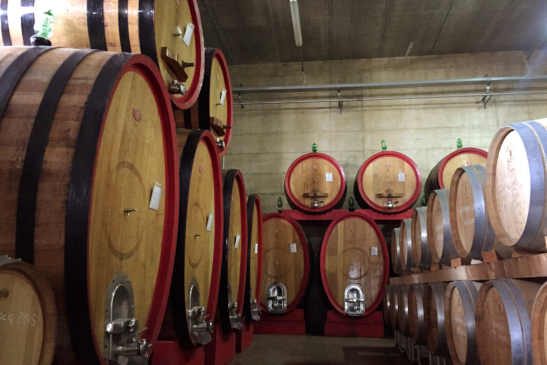
In the cellar, fermentation and maturation are adapted according to wine style. Stainless steel helps protect the freshness and immediacy of entry-level expressions, while traditional Slavonian and French oak casks support the development of more complex Aglianico del Vulture wines. The most ambitious cuvees are built for patience, with the structure and depth expected from one of Southern Italy’s most age-worthy native varieties.
Paternoster produces still red and white wines. The red wines are led by Aglianico, showing dark fruit, spice, firm tannins, bright acidity and a mineral edge from the volcanic soils of Vulture. At their most serious, they offer the structure and longevity associated with Italy’s great red wine regions, while retaining a Southern Italian identity that is distinct from Piemonte or Tuscany.
The white wines, including Falanghina, provide aromatic freshness, citrus fruit and a lighter, more immediate expression of Southern Italy. Together, the range gives a concise but a complete view of Basilicata: serious, volcanic, native-grape driven and still relatively an lesser-known category in the UK trade.
Wines from Paternoster helps add depth beyond Italy’s better-known regions. Its fresher Aglianico works for by-the-glass discovery, while structured Vulture wines suit premium Italian lists, steak-led menus and regional wine flights. It is a useful way to fill Southern Italian gaps with a credible, historic producer.