Chateau de Pez featured image
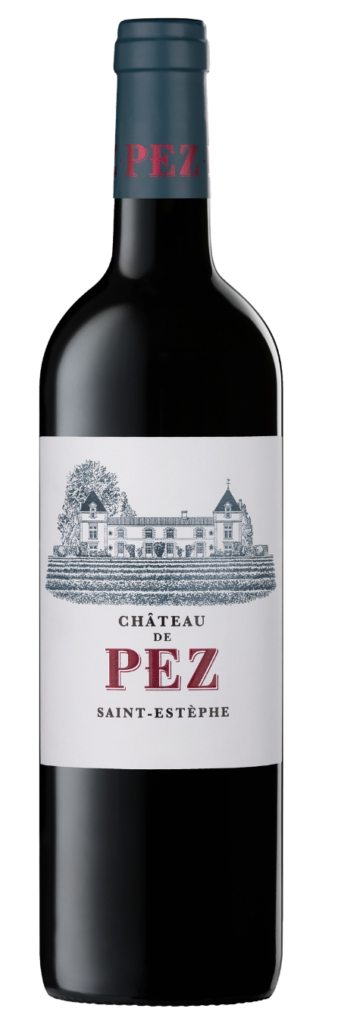
2020
Saint-Estèphe, Bordeaux
France
Still
Cabernet Sauvignon, Merlot, Petit Verdot, Cabernet Franc
13.5%
Vegetarian
Biodynamic Viticulture, Sustainable Certification
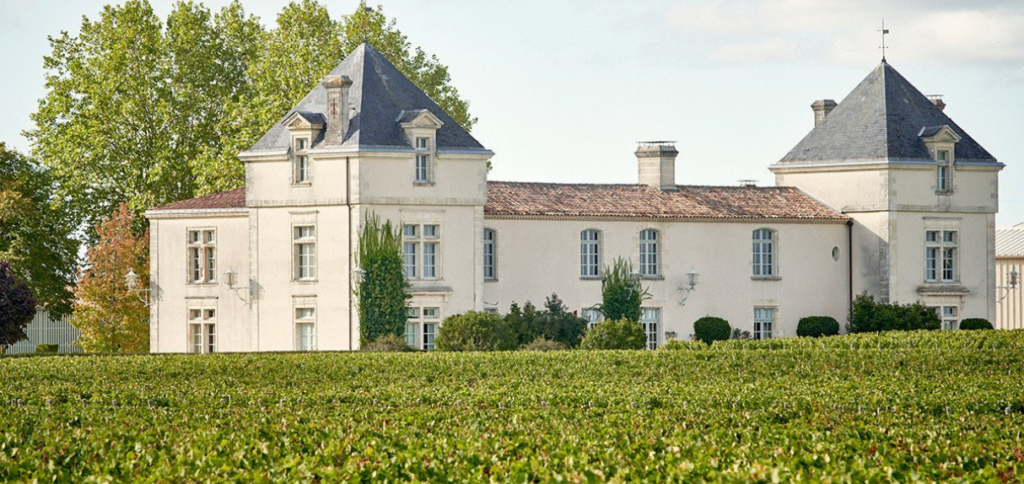
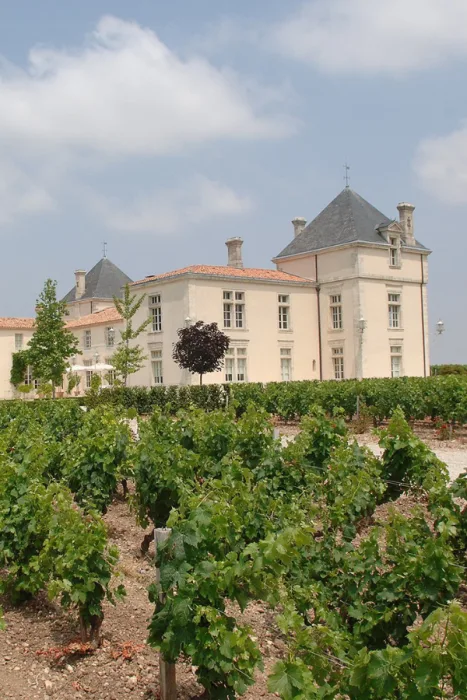
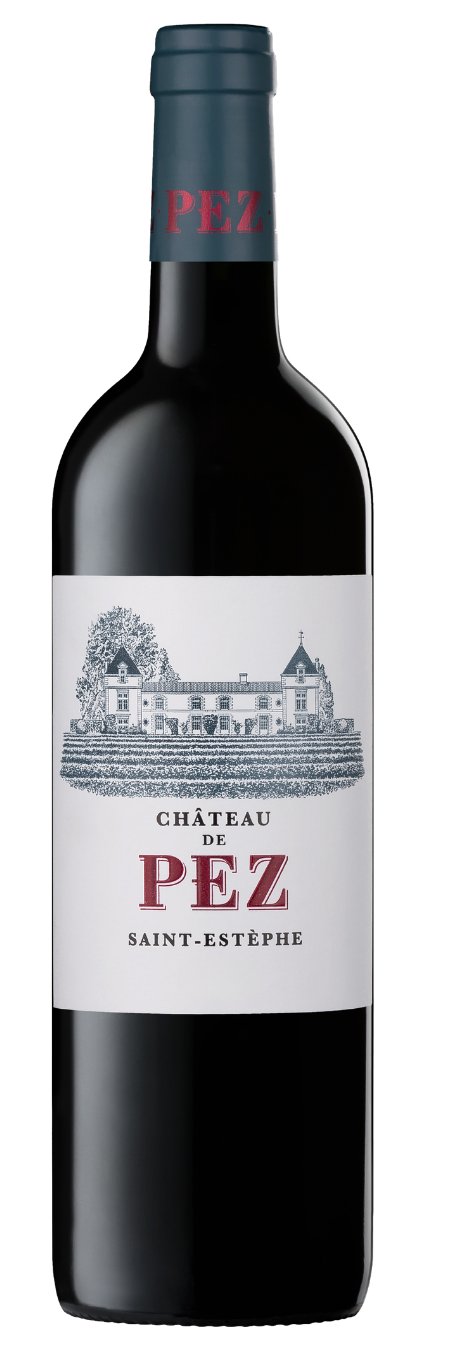
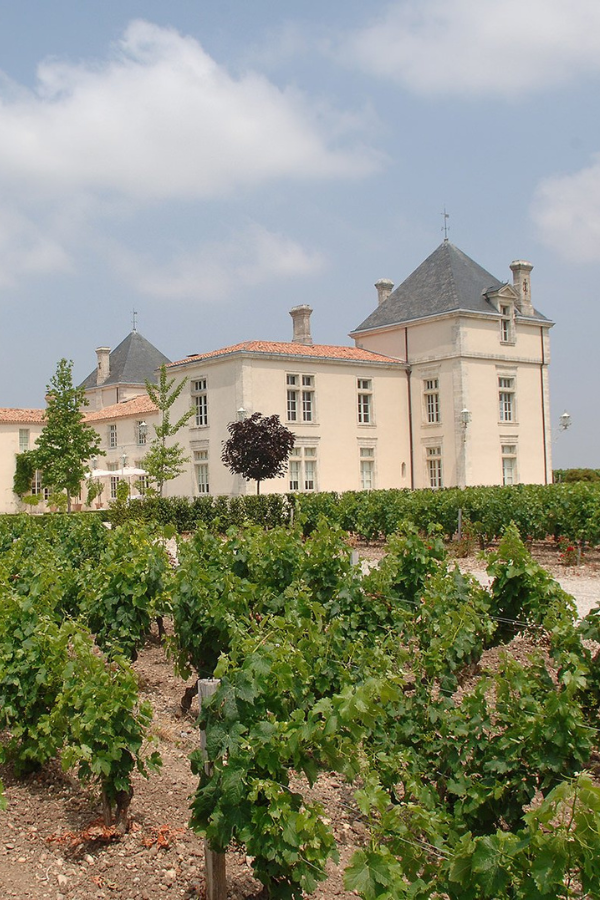
Château de Pez is a historic Saint-Estèphe estate in Bordeaux, France, and one of the oldest vineyards in the appellation. Located on the Bordeaux Left Bank in the northern Haut-Médoc, the estate is known for structured red Bordeaux wine from Cabernet Sauvignon, Merlot, Cabernet Franc and Petit Verdot. Owned by Champagne Louis Roederer since 1995, Château de Pez combines deep Saint-Estèphe roots with major vineyard restructuring, parcel-by-parcel vinification and modern cellar investment. Château de Pez offers a strong Saint-Estèphe proposition within the Roederer Collection, with depth, structure and approachability.
Read MoreChateau de Pez 2020 comes from a 42-hectare estate in Saint-Estephe, with 38 hectares in production. The vineyard is planted on clay, limestone and gravel soils, giving structure, freshness and depth to the wine. Planting density is 8,000 vines per hectare and the average vine age is 25 years. Chateau de Pez is managed under sustainable viticulture, with biodynamic practices applied on three hectares. The estate also holds HVE Level 3 certification, reflecting its environmental approach in the vineyard.
The wine was vinified by vineyard plot in wooden vats and thermoregulated conical stainless steel vats. Ageing took place for 12 months in oak barrels, with 35% new oak using a long, medium toast. The wine was then fined with egg whites before bottling. This method supports the balance between Saint-Estephe structure, ripe fruit and well-integrated tannins.
The 2020 vintage began with a very mild winter, bringing early budbreak from 24 March. April and May were warm but wet, with rainfall above the 30-year average. Despite this, flowering was early and rapid from 20 to 22 May. After a cool, rainy June, drought and heat continued until mid-August. Careful leaf thinning limited sun exposure on the bunches. Veraison took place from 1 to 6 August, and subsequent rainfall supported ripening after hydric stress. Harvest began on 11 September.
The nose is very expressive, showing iris, raspberry and cocoa bean. The palate is marked by raspberry and cedar, with a smooth, velvety texture and fine balance. Full-bodied and well proportioned, it combines ripe fruit, savoury oak nuance and Saint-Estephe structure. The tannins are well integrated, giving shape without heaviness. The finish is long, refined and persistent, with fruit, cedar and cocoa detail carrying through.
Pair with grilled steak, roast lamb, beef bourguignon, venison, duck, mushroom gratin, aged cheeses, braised short rib or classic French bistro dishes.