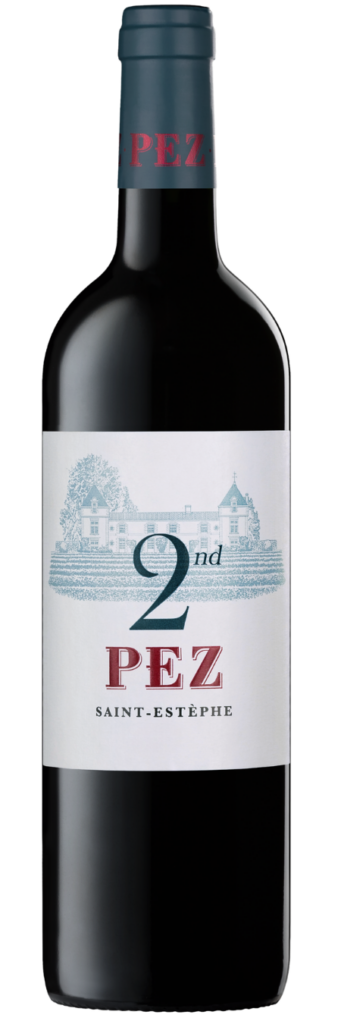
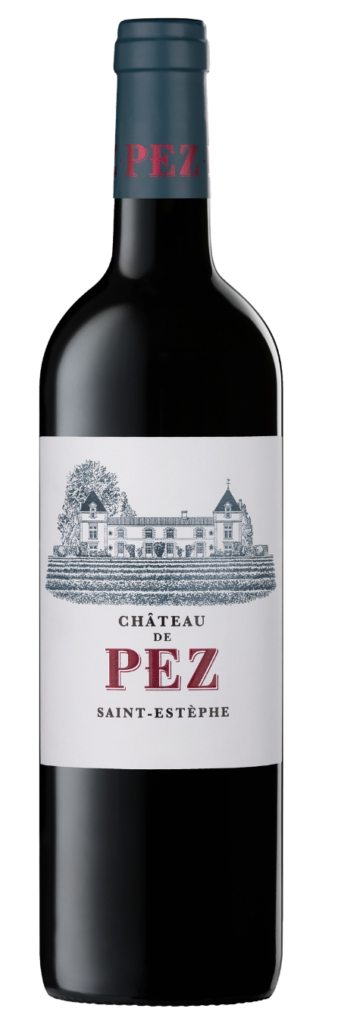
Chateau de Pez 2020

France
Bordeaux
Cabernet Sauvignon, Merlot, Petit Verdot, Cabernet Franc
Biodynamic Viticulture, Sustainable Certification
Still, Red
Château de Pez is a historic Saint-Estèphe estate in Bordeaux, France, and one of the oldest vineyards in the appellation. Located on the Bordeaux Left Bank in the northern Haut-Médoc, the estate is known for structured red Bordeaux wine from Cabernet Sauvignon, Merlot, Cabernet Franc and Petit Verdot. Owned by Champagne Louis Roederer since 1995, Château de Pez combines deep Saint-Estèphe roots with major vineyard restructuring, parcel-by-parcel vinification and modern cellar investment. Château de Pez offers a strong Saint-Estèphe proposition within the Roederer Collection, with depth, structure and approachability.

Château de Pez traces its history back to 1452, making it one of the oldest viticultural estates in Saint-Estèphe, alongside Château Calon-Ségur. The property evolved over time from a hunting lodge and farm into a dedicated wine estate, reflecting the long history of vine-growing on the northern Médoc’s gravel and clay-limestone soils.
In 1585, the estate passed to the Pontac family, who were also associated with Château Haut-Brion. The Pontac family played an important role in developing the vineyard, helping establish Pez as a serious Saint-Estèphe property. After the French Revolution, the estate passed through several Bordeaux families, including Tarteiron, Balguerie, Lawton, du Vivier, Bernard and Dousson.
Champagne Louis Roederer acquired Château de Pez in 1995, with the 1996 vintage the first made entirely under the new ownership. The investment that followed was significant and long-term, covering both vineyard and cellar.
In 2003, Château de Pez was classified as a Cru Bourgeois Exceptionnel, placing it among a small group of recognised estates within the Médoc. Since 2005, a widescale vineyard restructuring programme has aimed to improve the match between grape varieties, rootstocks and soils, while increasing the proportion of Cabernet Sauvignon. This work has helped reposition Pez as a more precise, contemporary Saint-Estèphe estate.

Château de Pez is located just west of the village of Saint-Estèphe, in one of the northernmost communes of the Haut-Médoc. The estate sits on a high point overlooking the Gironde Estuary, whose influence is central to the vineyard microclimate. Air movement from the estuary helps regulate temperature, reduce humidity and support healthy ripening conditions.
The Saint-Estèphe appellation is known for wines with structure, aromatic finesse and firm tannic character. Château de Pez reflects this regional identity, while its Merlot component brings roundness and a smoother texture.
The vineyard covers 42 hectares and is divided into around 70 plots surrounding the château. The soils are typical of high-quality Saint-Estèphe, with Garonne gravel over clay-limestone subsoil. The gravel rises provide drainage and warmth for Cabernet Sauvignon, while the clay-limestone sections support Merlot, helping build the estate’s balance between structure and suppleness.
This parcel diversity allows the team to manage each area according to its soil, exposure and variety. The vineyard restructuring begun in 2005 has been central to this approach, improving precision in both viticulture and blending.
Château de Pez is certified HVE Level 3 / HEV3, reflecting a commitment to environmental responsibility. Vineyard practices include soil cultivation, the avoidance of herbicides, organic fertilisers, green cover between rows, hedgerows to support biodiversity and beehives as environmental indicators.
The estate’s objective is to reveal and preserve its terroir. Work in the vineyard is designed to support vine balance, improve resilience and preserve the character of Saint-Estèphe’s gravel and clay-limestone soils.
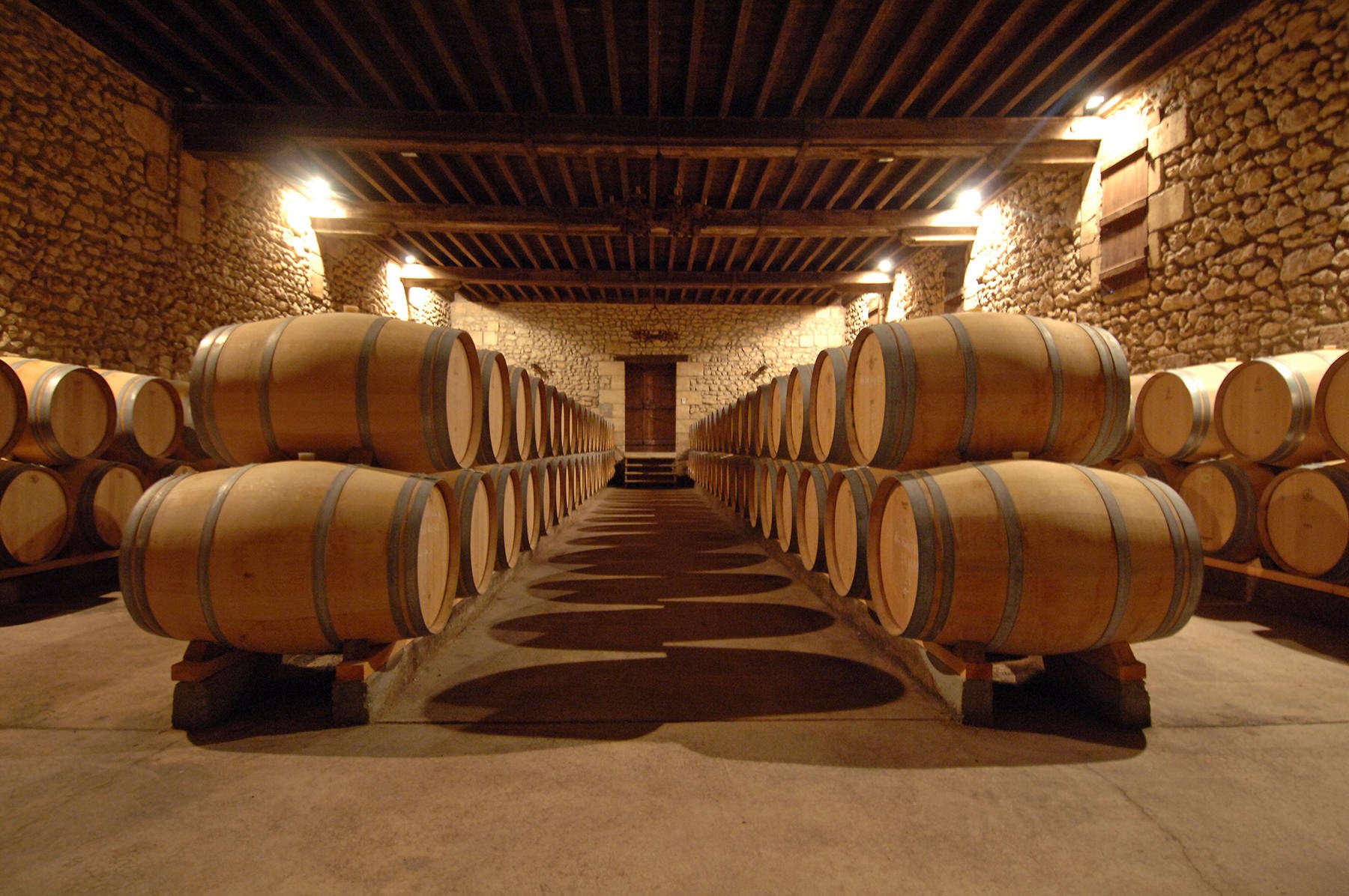
Cellar investment has been a major part of Château de Pez’s recent progress. The estate combines traditional temperature-controlled wooden vats with conical stainless-steel vats added in 2018, allowing more precise parcel-by-parcel vinification.
A total of 40 vats of different sizes gives the team flexibility during fermentation. The approach favours gentle extraction, controlled tannin management and careful blending. Two new barrel cellars have also been created to provide improved ageing conditions and support finer tannin integration. Château de Pez is typically aged in French oak barrels for around 18 months, with the proportion of new oak adapted to the vintage and wine.
Château de Pez produces still red Saint-Estèphe wine. The Grand Vin is structured, polished and age-worthy, combining Cabernet Sauvignon’s depth and backbone with Merlot’s roundness and silkiness. The wines typically show black fruit, graphite, cedar, spice, mineral detail and the firm but refined tannic structure associated with northern Médoc terroir.
Second de Pez, the estate’s second wine, was created in 2019 and is produced from the same terroir as the Grand Vin. It offers a more immediate and fruit-forward expression of Saint-Estèphe while retaining the estate’s structure, freshness and identity.