
James Suckling
95/100
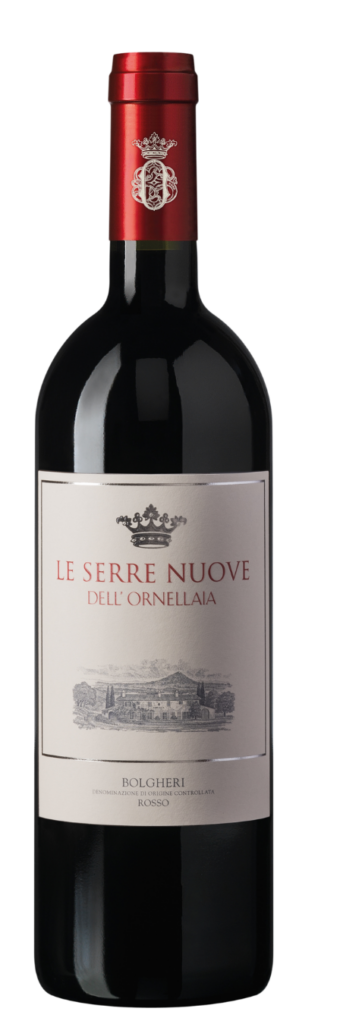
2022
Tuscany
Italy
Still
65% Merlot, 25% Cabernet Sauvignon, 10% Cabernet Franc
14.5%
Vegan, Vegetarian
Sustainable Certification
James Suckling: 95/100, Wine Spectator, Bruce Sanderson: 93/100
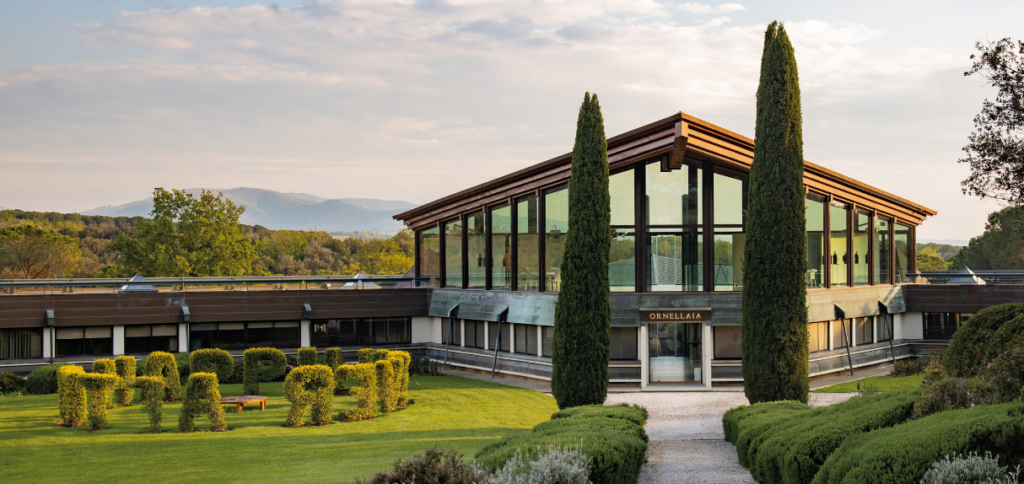
Ornellaia is one of Bolgheri’s most important fine wine estates, established in 1981 on the Tuscan coast in Italy. Known for Ornellaia wine, Le Serre Nuove, Le Volte, Poggio alle Gazze and Ornellaia Bianco, the estate produces still red and white wines from Cabernet Sauvignon, Merlot, Cabernet Franc, Petit Verdot and selected white varieties. Ornellaia represents one of Italy’s most recognised premium wine names.
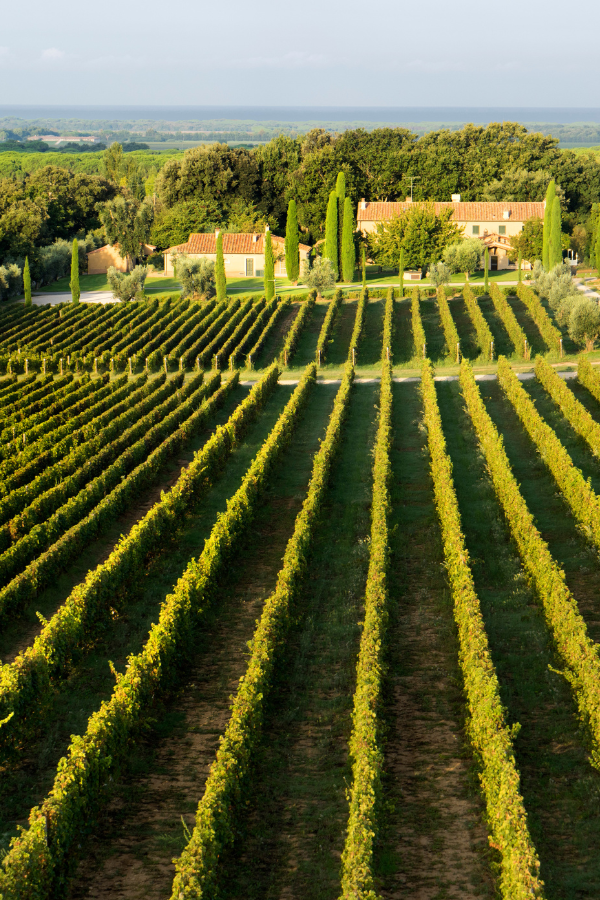
Read MoreThe Ornellaia estate lies in the foothills facing the Mediterranean coast near Bolgheri. Its hillside vineyards benefit from maritime breezes during summer, encouraging slow grape ripening and freshness, while the hills protect the vines from cold northern winds in winter. The soils, of marine and alluvial origin, form a varied mosaic of more than 70 plots, classified by soil type, exposure and variety. Average vine age is around 20 years for red varieties and 13 years for whites, with vineyard work carried out largely by hand.
The grapes were hand-picked into 15kg baskets and selected by hand before and after destemming, with optical sorting used to refine berry selection. Each variety and parcel was vinified separately. Alcoholic fermentation took place partly in stainless steel and partly in concrete vats at 22?28?C for two weeks, followed by a total maceration of around 10?15 days. Malolactic fermentation took place in stainless steel. The wine aged for about 15 months in barriques, 25% new, with blending after 12 months, followed by six months in bottle.
The 2022 vintage in Bolgheri was marked by a typical winter and a cool, dry start to spring, delaying budbreak. From May onwards, a dry spell of around 75 days challenged vine growth, flowering and veraison, leading to low yields. Summer storm rainfall helped restore vine activity and allowed ripening to continue. September was excellent for accumulating sugar, aromas and tannins, supported by cool night-time temperatures. The red harvest began with Merlot on 25 August and ended with Cabernet Sauvignon on 10 October.
The wine shows a deep red-purple hue, with the nose showing ripe black fruit, spice and lightly toasted wood. The palate is generous and juicy, with rich, firm tannins and a plush texture. Full-bodied and expressive, it retains freshness and elegance despite the warm character of the vintage. The finish is aromatic, persistent and polished, with the structure to develop well over the next decade.
Pair with roast beef, lamb shoulder, grilled steak, venison, mushroom rag?, aged cheeses, slow-cooked pork, aubergine parmigiana or rich tomato-based pasta.