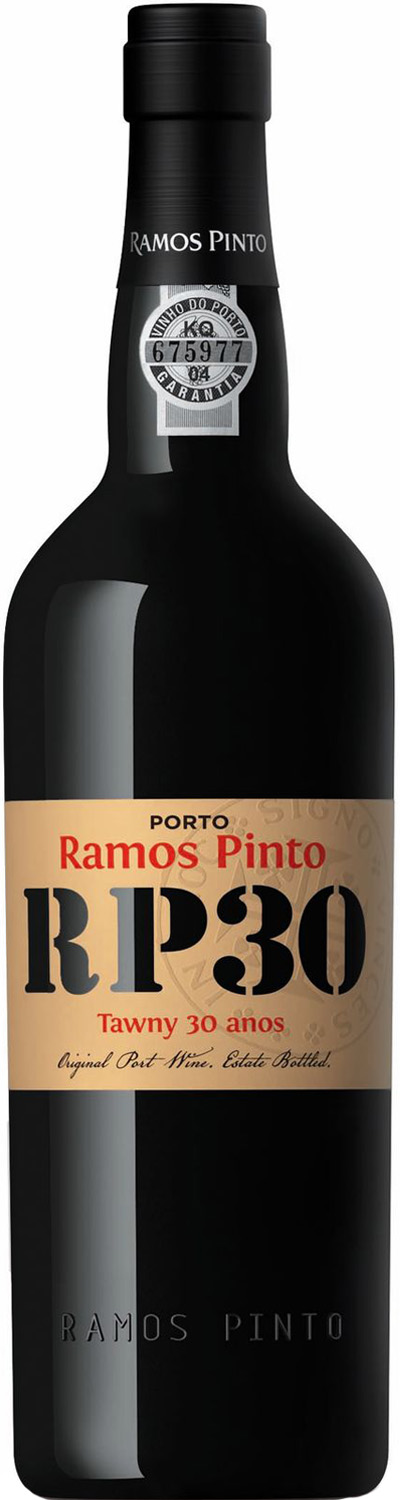
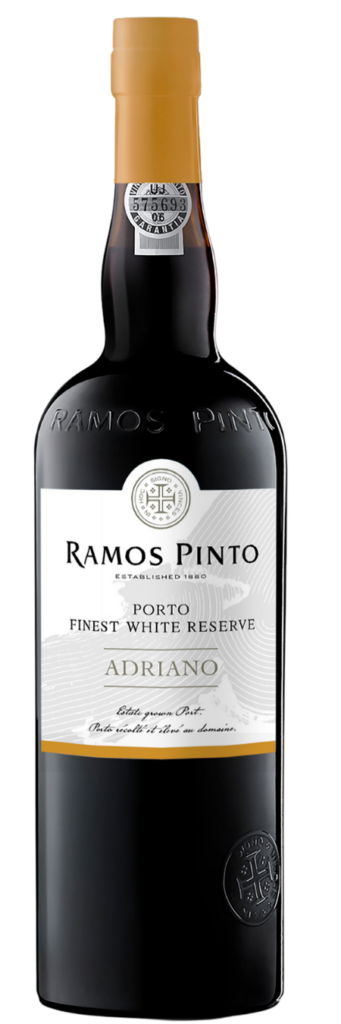
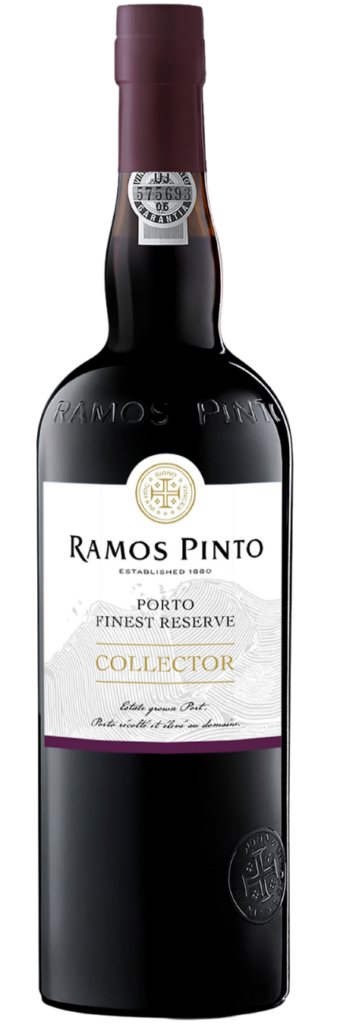
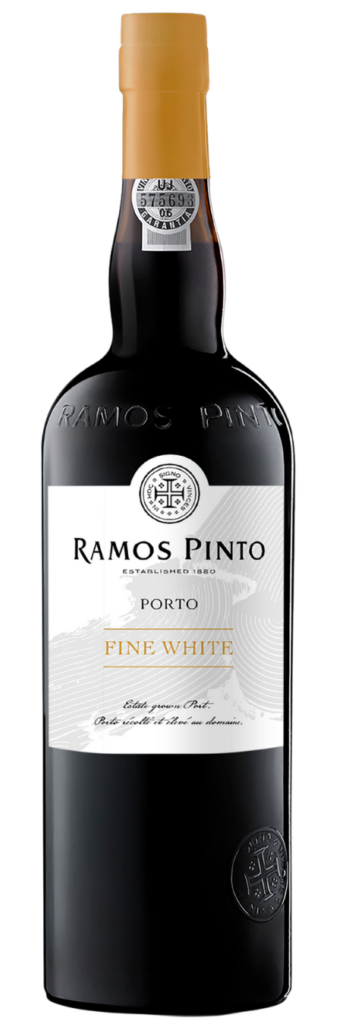
Ramos Pinto 20 Year Old White Port

Portugal
Douro & Porto Douro Valley
Malvasia Fina, Viosinho, Touriga Nacional, Touriga Franca, Tinta Roriz, Tinta Barroca, Codega, Viozinho, Rabigato, Arinto, Touriga Francesa, Traditional Douro varieties, Gouveio, Tinta da Barca, Sousão, Vinhas Velhas, 63 Traditional Douro varieties, Blend of old vines
Biodynamic Viticulture, Organic Viticulture
Fortified, Still, White, Red
Ramos Pinto was founded in 1880 by brothers Adriano and Antonio, bringing a new era of quality wine production to the Douro. Ramos Pinto’s long and distinguished history was further strengthened when the house became part of the Louis Roederer Family in 1990 who share the family history, focus on quality and investment in the future. Today, Adriano and Antonio’s descendants Jorge and Ana Rosas continue their pioneering spirit and search for the highest quality in the Douro as CEO and Master Blender respectively.

Founded in 1880, Ramos Pinto brought a new quality-focused vision to Port and Douro wine production. From the outset, the house stood apart for its independent spirit, technical curiosity and strong visual identity, using art, design and communication to build recognition for Portuguese wines in international markets.
Ramos Pinto’s history was strengthened in 1990, when it became part of the Louis Roederer family. This brought long-term investment while preserving the house’s Douro identity and independent management. Today, descendants of the founders remain central to the business, with Jorge Rosas as CEO and Ana Rosas as Master Blender.
Ramos Pinto’s importance in the Douro lies not only in its age, but in its decision to pursue a strict self-production policy. The house produces its Port and Douro wines from grapes grown on its own estates, giving it unusual control over vineyard management, fruit selection and blending.
This estate-led model allows Ramos Pinto to connect wine style directly to place. Its long-standing research into grape varieties, planting systems and terroir has helped shape the modern understanding of the Douro as a source of both great Port and serious still wines.


Ramos Pinto works from four estates in the Douro Valley: Quinta do Bom Retiro, Quinta da Urtiga, Quinta dos Bons Ares and Quinta de Ervamoira. Together, these estates cover key Douro sub-regions, with Quinta do Bom Retiro and Quinta da Urtiga located in Cima Corgo, and Quinta dos Bons Ares and Quinta de Ervamoira in Douro Superior.
In total, 286 hectares are planted to vines. This gives Ramos Pinto a broad palette of fruit for both fortified and still wine production, from the elegance and complexity of Bom Retiro and Urtiga to the structure, concentration and fruit intensity of Ervamoira.
Cima Corgo is central to many classic Port blends, offering depth, refinement and ageing potential. Quinta do Bom Retiro, one of the house’s most important estates, has long been used for studying the best vineyard techniques for the Douro. Quinta da Urtiga brings old-vine complexity and rare genetic diversity, with a large number of indigenous grape varieties.
In Douro Superior, Quinta de Ervamoira is one of the house’s most distinctive vineyards. It was the first estate in the region to be planted entirely vertically, with grape varieties separated by plot. This marked an important shift in Douro viticulture, moving towards greater precision, vineyard understanding and control over blending components.
Ramos Pinto’s viticulture is based on understanding the differences between each estate, parcel and grape variety. The house works with classic Douro red varieties including Touriga Nacional, Touriga Franca, Tinta Roriz, Tinta Barroca, Sousão and Tinto Cão, alongside white varieties such as Rabigato, Viosinho, Folgazão, Côdega and Malvasia Fina.
The approach combines tradition with research. Ramos Pinto has worked to improve biodiversity and increase organic farming practices across its vineyards, while Quinta da Urtiga is associated with biological wines and biodynamic practices. This focus supports healthier soils, clearer site expression and the long-term sustainability of the Douro landscape.
For Port production, Ramos Pinto combines careful fruit selection with traditional and technical winemaking methods. Vintage Port and LBV styles are rooted in concentration, structure and ageing potential, while Tawny Port depends on long cask ageing, blending precision and the development of complexity over time. White Port offers another expression of Douro fruit, with freshness, texture and aromatic lift.
For still wines, including the flagship Duas Quintas wines, Ramos Pinto has played an important role in showing the Douro’s potential beyond fortified wine. The house’s Douro red wine and Douro white wine draw on estate fruit, altitude, grape variety and sub-regional contrast to produce wines with freshness, structure and regional definition.
The Port range includes White Port, Tawny Port, Ruby styles, Late Bottled Vintage and Vintage Port, offering different levels of maturity, richness and ageing potential. The house is particularly known for Tawny Ports, all made with fruit from Quinta do Bom Retiro. They are layered with dried fruit, spice and nutty complexity, alongside Vintage Ports with depth, intensity and firm structure.
The still wines show another side of the Douro Valley. Ramos Pinto Douro red wines are typically structured, fruit-driven and expressive, with ripe tannins and freshness from altitude and site selection. The white wines bring aromatic lift, texture and natural acidity, showing the growing importance of white Douro wines in premium restaurant and independent retail lists.
Ramos Pinto offers a complete Douro and Port ladder from one producer. White Port and Tawny Port can support aperitif, cocktail, cheese and dessert serves, while LBV and Vintage Port add depth to fine wine lists. Its still red and white Douro wines also help fill Portuguese regional gaps with estate-led, terroir-focused wines.