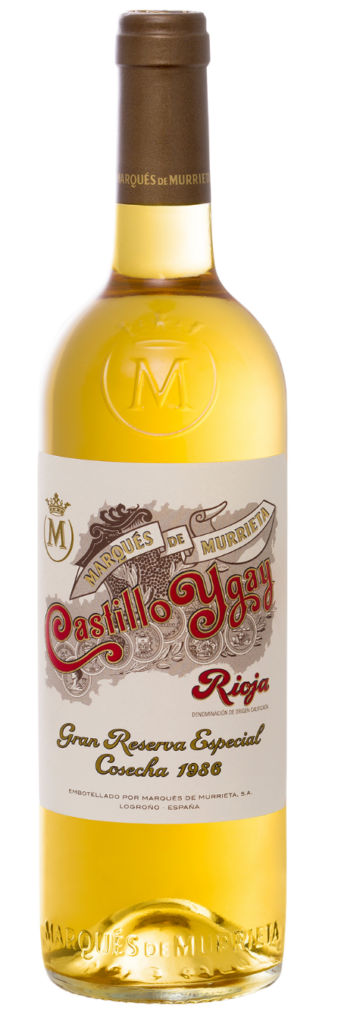
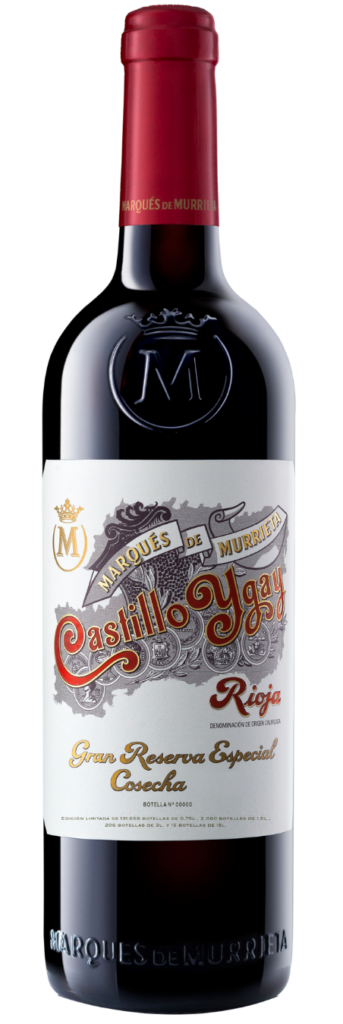
Castillo Ygay Gran Reserva Especial 2011
Spain
Rioja
Tempranillo, Mazuelo, Viura, Cabernet Sauvignon, Graciano, Garnacha, Graciano Tinta
Still, Red, White
Marqués de Murrieta is one of Rioja’s most historic estates, founded in 1852 by Luciano Francisco Ramón de Murrieta in Rioja Alta. Known for Tempranillo-led blends, Gran Reserva, Castillo Ygay and age-worthy white Rioja, Marqués de Murrieta helped define top quality modern Rioja through 100% estate-grown fruit, extensive maturation and Bordeaux-influenced winemaking techniques. Their range offers a clear reference point for premium Spanish wine, combining historic authority, control and impressive attention to detail enabled by the single-estate model and new winery.

The story of Marqués de Murrieta is closely tied to the birth of fine wine from Rioja. Luciano Murrieta applied techniques he had learned in Bordeaux to Rioja grapes, producing the region’s first fine wine in 1852. His aim was to create wines with the structure and ageing potential to travel beyond Spain, and Murrieta’s early exports helped introduce Rioja to international markets.
In 1877, Luciano acquired Finca Ygay near Logroño. The estate was developed around the idea of a château model, with vineyards surrounding the winery in one property, giving the producer control over grape quality from end to end. This was highly distinctive in Rioja at the time and remains central to Marqués de Murrieta’s identity today.
The winery entered a new chapter in 1983 when Vicente Cebrián-Sagarriga, Count of Creixell, acquired the estate. Today, his son, Vicente Dalmau Cebrián-Sagarriga is President of Marqués de Murrieta and has been at the helm of the estate, along with his sister, Cristina, since the tragic and unexpected death of their father in 1996. They set about modernising the wines, facilities and estate whilst maintaining respect for its history.
The restoration of Castillo de Ygay began in 2005 and took nine years to complete. In 2014, the restored Castillo was inaugurated, and in 2019 Marqués de Murrieta was officially recognised as a museum, reflecting its importance in the history of Spanish wine. A further milestone came in 2021 with the completion of new technical facilities covering more than 25,000 square metres, built next to the historic Castillo. They allow an even greater attention to detail within the winemaking process, particularly of individual parcels, leading to even more refined and polished wines.


Finca Ygay is a 300-hectare estate in the south of Rioja Alta, surrounding the winery and forming the foundation of Marqués de Murrieta’s wines. This estate model allows the team to manage vineyard selection, yields, harvest timing and fruit quality with an exceptional degree of control and precision.
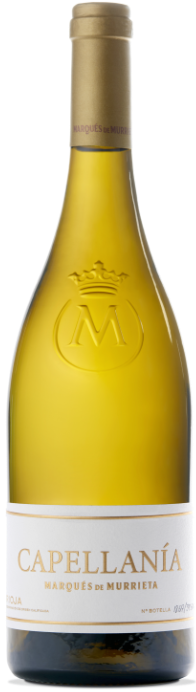
The vineyards are divided into smaller plots, each contributing different expressions of Rioja Alta. Key sites include Capellanía, the source of the estate’s white Rioja; Canajas, used for Dalmau; and La Plana, the vineyard behind Castillo Ygay. This parcel approach gives the estate the ability to produce both classic blended Rioja and site-specific fine wines.
La Plana is one of the estate’s most important vineyards, a 40-hectare plot planted in 1950 at 485 metres of altitude. It supplies the fruit for Castillo Ygay, Marqués de Murrieta’s flagship Gran Reserva Especial. Canajas is a 9-hectare single vineyard planted in 1950, including Tempranillo, Graciano and Cabernet Sauvignon for Dalmau. Capellanía, planted in 1945, sits at the highest point of Finca Ygay and is dedicated to Viura for long-ageing white Rioja.
Marqués de Murrieta’s philosophy is based on quality through vineyard control, low yields and limited production. The 300-hectare estate gives the team, led by Technical Director María Vargas, the ability to select grapes according to variety, plot, altitude and wine style.
The estate has also strengthened its sustainability commitments, including environmental management certification and Wineries for Climate Protection certification. This supports a long-term approach to vineyard health, resource management and responsible production.
Winemaking at Marqués de Murrieta balances Rioja tradition with modern precision. Red wines are fermented in temperature-controlled tanks, concrete and oak vats, with extraction managed carefully through pumping over, punching down or rack and return, depending on the wine. Ageing in American and French oak remains central to the house style, particularly for Reserva, Gran Reserva, Dalmau and Castillo Ygay.
The estate is also recognised for white Rioja. Capellanía and Castillo Ygay Blanco highlight Viura’s potential for extensive maturation, combining time in oak, well-maintained acidity and texture with a distinctive savoury complexity.
Marqués de Murrieta produces still red and white Rioja wines. The red wines are led by Tempranillo, supported by Garnacha, Mazuelo and Graciano, with Cabernet Sauvignon also used in Dalmau. They are typically structured, polished and age-worthy, with red and black fruit, spice, herbal detail, fine tannins and balanced oak integration.
The white wines, made primarily from Viura with some Malvasía in the Castillo Ygay Blanco, show that Rioja can produce serious, long-lived white wines with depth, texture and mineral freshness. Across the range, the Murrieta style combines refinement, longevity and estate identity, from Reserva through to Gran Reserva, Dalmau and Castillo Ygay.
Marqués de Murrieta offers a Rioja ladder from one estate. Reserva and Capellanía support premium listings and by-the-glass opportunities, while Gran Reserva, Dalmau and Castillo Ygay add depth for fine dining, independent retail and collectors.