Marqués de Murrieta & Pazo de Barrantes receive outstanding 2024 scores

We are delighted that Marqués de Murrieta in Rioja and Pazo de Barrantes in Rías Baixas, have received outstanding 2024 scores from James Suckling, Tim Atkin MW and The Wine Advocate.

A full list of scores and reviews can be found here:

Marqués de Murrieta – James Suckling 2024

Marqués de Murrieta – Tim Atkin MW 2024

Marqués de Murrieta – The Wine Advocate 2024


Highlights include:

Castillo Ygay Gran Reserva Especial 2012

100 Points, James Suckling

So much dried flower, mushroom, iron, rust, sweet berry, and grilled orange. Full-bodied with very elegant and refined tannins that melt in the mouth and give a real sense of place and integrity. Balanced and harmonious. The finesse and finish is endless. Production was 30% less than in 2011. Already so drinkable. A wonderful future. This is the new 1934 or 1964, two legends. Drink or hold.

98 Points, Tim Atkin MW

There will be no Castillo Ygay reds in 2013, 2014 or 2015, so its many fans would be well advised to stock up now. Made in a vintage that María Vargas regards as outstanding, this partners Tempranillo with 19% Mazuelo. Aged in American and a smaller amount of French oak, it has appealing balsamic, tobacco leaf and aromatic spice aromas,
wonderful structure and depth, layers of blackberry, fig and red berry fruit and a persistent, acid-driven finish. 2026-40.

97 Points, The Wine Advocate

The 2012 Castillo Ygay Gran Reserva Especial was produced with a blend of 81% Tempranillo and 19% Mazuelo (Cariñena) from the plot La Plana in the Ygay estate, which was planted in 1950 at 485 meters above sea level, the highest in the Ygay property. The Tempranillo was picked between September 17th and 19th, and the Mazuelo was
harvested on September 25th. The bunches were destemmed and lightly crushed and put to ferment in stainless steel for 10 days with constant pump-overs and délestages. The Tempranillo matured for 34 months in American oak barrels, and the Mazuelo also matured for 34 months but in French barriques. It was then blended and put in
concrete for a further 20 months. It has 14% alcohol, a pH of 3.65 and 5.8 grams of acidity (measured in tartaric acid per liter). It seems to follow the style of the 2011, perhaps somewhere between the 2010 and 2011—very classical, with notes of earth, cedar, spice and meat. The palate is polished, sleek and elegant with a touch of earthy rusticity. 103,216 bottles, 3,121 magnums and some larger formats produced. It was bottled in May 2019. No 2013, 2014 or 2015 will be produced, so from here, they will jump to 2016 to be released in 2026 or 2027. I look
forward to it, and I’m intrigued about what I’m going to find when I taste it.


La Comtesse de Pazo Barrantes Albariño 2018

96 Points, James Suckling

Scented orange blossoms, mineral, orange zest and pineapples. Intense and taut on the palate with a bright beam of acidity and subtle salinity that melds together before a long and intense finish. Mineral, serious and gastronomic. Drink or hold.

96 Points, Tim Atkin MW

La Comtesse comes from the Pago Cacheiro, a 1,4-hectare parcel planted in 1965, and sees a combination of new and older French wood, followed by a year in concrete eggs. Deliberately made to age, like owner Marqués de Murrieta’s white Riojas, this is rich, leesy and textured, with notes of butter and honey, pear and peach skin fruit, a
dab of oak spices and a taut, focused, mineral rich core. Rías Baixas meets Meursault. 2023-30.

96 Points, The Wine Advocate

The 2018 La Comtesse comes from a vineyard called Cacheiro, 1.4 hectares of their oldest vines (planted in 1965) that deliver lower yields and aim to showcase the aging potential of Albariño. The destemmed grapes were slowly and softly pressed in a pneumatic press, and the juice was let to settle and put to ferment in a 3,000-liter oak vat for some 60 days. The wine was kept in that vat for 12 months, the first two with lees, and then it matured in concrete for a further 12 months before bottling. It has 13.5% alcohol and a pH of 3.4 with seven grams of tartaric acid per liter, very good parameters for a great vintage. It has a bright golden color and a perfumed, complex and elegant nose, with depth and nuance with the complexity of time, moving away from the primary aromas and high acidity of the younger wines. The oak is neatly integrated (the oak is used, and they have reduced the time in oak by two months), and the wine has mellow acidity. It’s velvety and elegant, clean, pungent and precise, sharp and electric, very fresh. It has complexity and youth, balance and ingredients to develop in bottle. Time is on its side. 6,672 bottles and 200 magnums were produced. It was bottled in April 2021. It was not released until June 2023, after a good couple of years in bottle. Prices have increased.

Mahi moves UK distribution to MMD UK

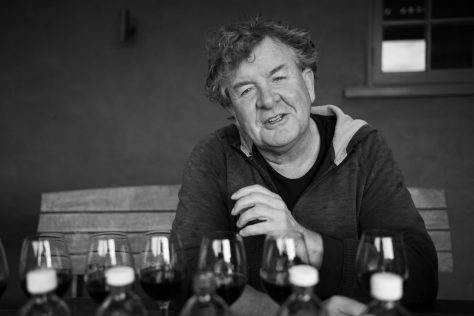
We are looking forward to working with the great team at MMD, some of whom we have worked with previously. They are a serious wine company with a quality portfolio that embraces wine-loving people and their wines, many of which we already know and admire. – says Brian Bicknell, owner and winemaker of Mahi.

Joining the portfolio of Maisons Marques et Domaines – established in 1986 as the UK subsidiary of Champagne Louis Roederer and now managing the UK distribution for a portfolio of more than 30 premium, family-owned wineries from around the world – Mahi will be distributed alongside the Champagne Louis Roederer collection of estates and domaines, which include Domaines Ott*, Chȃteau Pichon Comtesse, Ramos Pinto, Diamond Creek, Delas Frères and MMD’s renowned Italian producers Ornellaia, Marchesi Mazzei, Pio Cesare, Tommasi Family Estates and Castiglion del Bosco.

“We are delighted to be entering into partnership with Brian Bicknell and Mahi, a great exponent of the depth, diversity and complexity that the Marlborough region has to offer.” says Richard Billett, Managing Director at MMD. “We look forward to presenting the wines at our Annual Portfolio Tasting in London on March 5, to working closely together to build on the existing distribution and to realise its potential in the UK market.”

Mahi is situated in Marlborough on the north-eastern corner of the South Island of New Zealand.  It was established by Brian and Nicola Bicknell in 2001, and in 2006 they purchased the historic winery giving Mahi a home and a sense of place. The main aim of Mahi is to highlight the quality and diversity of individual vineyard sites in Marlborough.  The name Mahi means “our work, our craft” and it was chosen to show that wine is their work, passion and craft while also paying respect to the history of the land and tea o Maori. Mahi produces multiple single vineyard wines as well as a regional Marlborough range .They source grapes from over eight different vineyard sites across the region having sought out the right sites, planted with the right varieties, a number of which are farmed biodynamically and are certified organic.   The primary emphasis for all Mahi wines is texture, that offer true palate satisfaction and compliment food. All the wines are made in a ‘hands off’ style to allow the true expression of the vineyard site to shine through. For the single vineyard wines the fruit is hand-picked, whole cluster pressed, fermented using wild indigenous yeast and aged in older French oak.

To find out more about Mahi click here

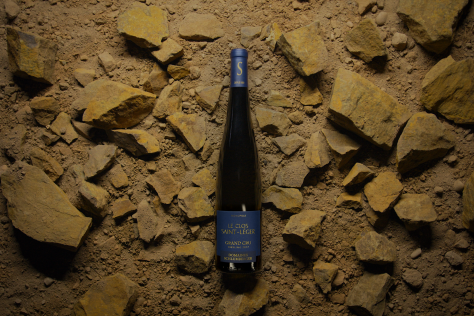
Introducing the 2017 Riesling Clos Saint Léger from Domaines Schlumberger

We are thrilled to announce the release of a remarkable new addition to Domaines Schlumberger portfolio: the 2017 Riesling Clos Saint Léger. Nestled in the heart of the Grand Cru Kitterlé in the wine-growing commune of Guebwiller, Alsace, this wine embodies the epitome of excellence and tradition.

A Legacy Unveiled

Created by 7th generation of the family, Séverine and Thomas Schlumberger, the 2017 Riesling Clos Saint Léger marks the very first vintage of this extraordinary wine. Cultivated on a unique 1.6 ha plot with vines dating back to 1995, this wine reflects the distinct volcanic-sandstone terroir of the region. Situated on south-facing terraces within the Grand Cru Kitterlé ranging between 342 and 392 meters, the vineyard enjoys optimal sun exposure, resulting in grapes of unparalleled quality.

A Labour of Love

The journey of the Clos Saint Léger begins in the meticulous vineyard practices upheld by Domaines Schlumberger. Cultivated organically and with utmost environmental reverence, the vineyard employs traditional methods such as horse ploughing and handpicking to ensure the finest quality grapes. Limited yields ranging between 20 and 35 hl/ha are achieved through painstaking attention to detail, including green manure, shoot thinning, and canopy management—all performed by hand. Upon harvest, the grapes are delicately transported to the cellar in small crates, where they undergo gentle pressing to extract their full aromatic potential. Following a meticulous fermentation process in stainless steel tanks under rigorous temperature control, the wine is aged on fine lees until bottling.

A Tribute to Tradition

The name “Clos Saint Léger” pays homage to the Saint-Léger church, a symbol of artistic and spiritual significance in the Abbey of Murbach. Inspired by the sun-drenched slopes of the Florival in the Guebwiller valley, this wine captures the essence of its blessed terroir, as described by the monk Frulandus in his “Life of Saint Léger” from 1041.

Note: Small allocations of Riesling Le Clos Saint Leger 2017 will be available in the UK from late May 2024.

You can download the interview to Thomas Schlumberger by Wanda Mann recently published on The Somm Journal below.

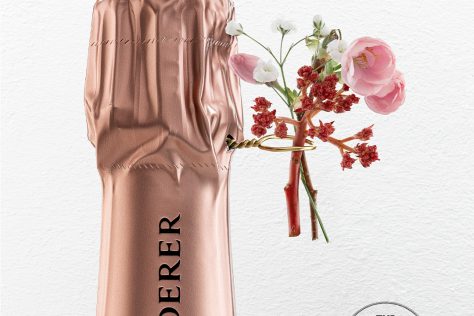
Louis Roederer named “World’s Most Admired Champagne Brand” for the 5th consecutive year

For the 2024 edition of this prestigious award, the international jury at Drinks International, composed of some of the industry’s leading experts, honoured Louis Roederer once again by naming it the “World’s Most Admired Champagne Brand 2024”.


The family-run Champagne House headed by Frédéric Rouzaud is delighted and humbled to receive this prestigious award for the fifth year in a row. It is a fantastic recognition of the dedication and hard work of the Roederer team, both in the vineyards and in the cellars.

When the award-winners were announced on 5 March, journalist Giles Fallowfield, who oversees the awards every year, praised Rodererer’s “desire for excellence tied in with a lust for experimentation and re-invention […] which, in response to the changing climate, led it to create the multi-vintage cuvée Collection 242”.

Giles Fallowfield then quoted Roederer’s Cellar Master, Jean-Baptiste Lécaillon, speaking at the launch of two other Collection blends (243 based on 2018 and 244 based on 2019).”We now have earlier harvests and get riper and healthier fruit. […]  All the rules we learned at school are irrelevant, we are having to relearn and question many things to create a champagne of freshness. […] reflecting a real resilience.”


The judging panel, made up of sommeliers, retail buyers, importers, Masters of Wine, wine writers and journalists – including some of the most famous names in the wine world – determines the rankings based on the quality and consistency of the wines and their production, the coherence of the brand strategy and marketing, value for money, the respect and admiration they have for the Champagne House, and the strength of the brand in relation to its peers.


See the full Drinks International rankings here

Join our mailing list

Sign up to stay up to date with the latest portfolio news, vintage releases, allocations, offers, trade events and exclusive access to some of the world's most iconic wine estates.